Relatos de los Viajes - Cuenca, Ecuador

14 June 2024
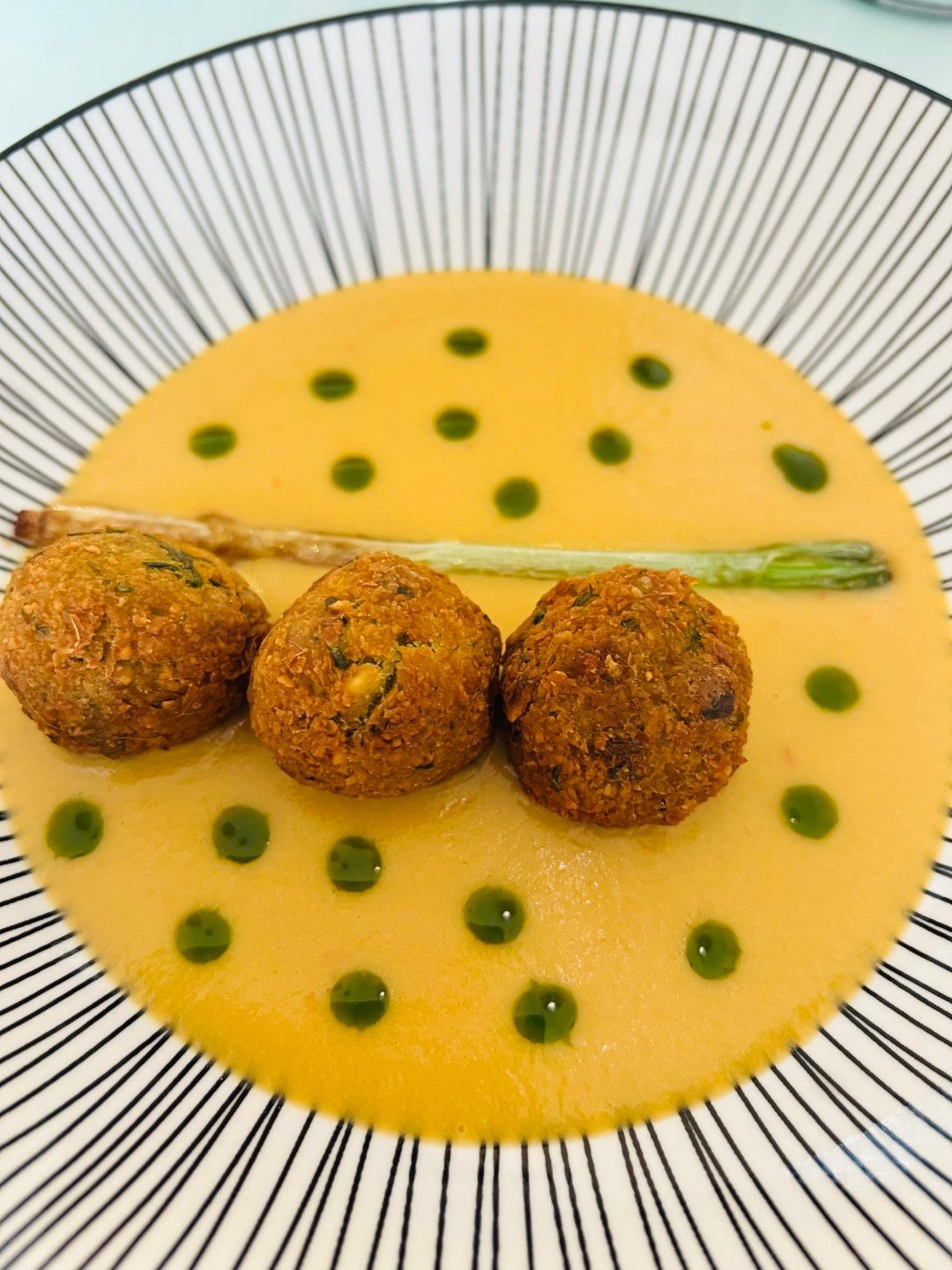
A close up of a plate of food with green dots on it

Relatos de los Viajes -
Cuenca, Ecuador

El mes pasado estuvimos en Cuenca, Ecuador, en parte para descubrir por nosotros mismos las alegrías de esta pintoresca ciudad de montaña, y en parte para pastorear en la nueva Capital Culinaria de nuestra Asociación.


Sabíamos por la candidatura de Cuenca que nos esperaba una delicia, y no nos decepcionó. Gente amable, hermosas vistas, una rica historia y, por supuesto, una tremenda cultura gastronómica. Definitivamente, Cuenca tiene que estar en la lista de los viajeros serios amantes de la comida.


Pasamos una semana en Cuenca, situada en las montañas andinas, en la costa central occidental de Latinoamérica. Compartiremos nuestra historia con usted a continuación, ¡y le animamos a que reserve pronto su viaje allí!

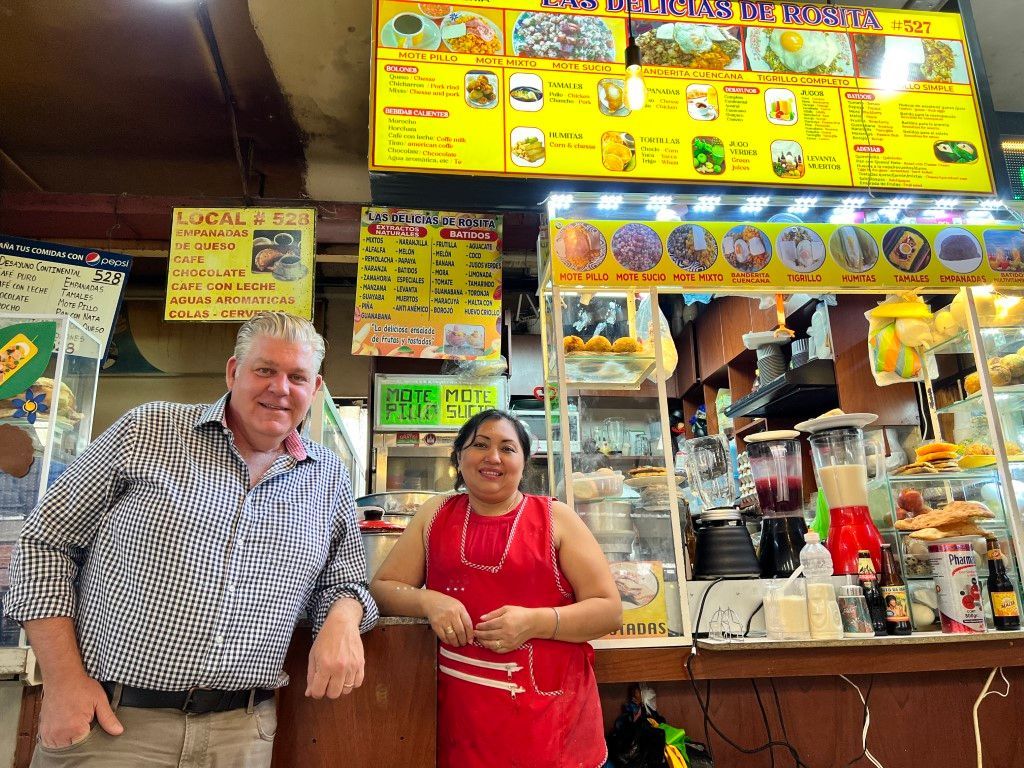
En primer lugar, nos reunimos con los responsables de la Fundación Municipal Turismo para Cuenca para revisar los planes actuales y futuros de desarrollo y promoción de la ciudad como Capital Gastronómica. Tras nuestra reunión, nos dirigimos al “Mercado 10 de Agosto” (véase más abajo). En Cuenca, muchos mercados llevan el nombre de fechas históricas de Ecuador, entre ellas el 10 de Agosto de 1809, que hace referencia al “Primer Grito de Independencia”. Este acontecimiento fue el inicio de la lucha por la independencia de Ecuador.

A man and a woman are standing in front of a restaurant counter.

El mercado en sí es bastante grande y ofrece tantas opciones gastronómicas, como productos de alta calidad. Disfrutamos de mejores platos de varias cocineras como el tradicional "Motepillo" y continuamos nuestro viaje. El día era cálido y visitamos la famosa "Plaza de las Flores", donde un puesto regentado por monjas carmelitas vende diversos productos medicinales caseros.


La Plaza de las Flores es uno de los lugares más emblemáticos de Cuenca. Además de su belleza visual, es el atrio de la iglesia del Carmen de la Asunción, uno de los principales edificios patrimoniales de la ciudad. La plaza da acceso al convento de las Carmelitas, donde las monjas de clausura elaboran meticulosamente diversos productos, como vino reconstituyente, jarabe de rábano, bebidas multivitamínicas, miel, lociones para dolores musculares, cremas para problemas de la piel y la popular "agua de pítimas", que es un destilado de plantas con propiedades medicinales muy consumido por los cuencanos. Estos artículos están a disposición del público a través del torniquete del convento o en dos tiendas adyacentes.


Tras descansar en el hermoso Hotel Cruz de El Vado, nos dirigimos a cenar al restaurante Altitud del Hotel Oro Verde, una cadena independiente de hoteles de Ecuador. Allí nos reunimos con el chef ejecutivo José Delgado y el director general Byron Vallejo. La comida fue extraordinaria y nos sorprendió que nos sirvieran vino Dos Hemisferios, uno de los pocos productores de vino de Ecuador. La calidad del vino era soberbia. Pero no lo busque en los mercados de su país; la producción es pequeña y tendrá que visitar Ecuador para degustarlo.


A close up of a plate of food with green dots on it

Al día siguiente, almorzamos en Café Libre, que sólo sirve cocina basada en plantas. Se trata de una tendencia creciente entre los consumidores y viajeros amantes de la comida. La cocina de Paúl Flores y Rocío Valencia era de otro mundo, y las presentaciones (ver arriba) de los platos eran dignas de una estrella Michelin, en nuestra humilde opinión. 


Por supuesto, no podíamos dejar de visitar una tienda de comestibles para ver qué había disponible para los consumidores locales. Siempre visitamos una tienda de comestibles cuando viajamos para hacernos una idea de los productos locales y de cualquier especialidad que no podamos encontrar en los mercados locales. 


Volvimos para tomarnos un breve descanso en nuestro magnífico hotel, donde el restaurante y el bar están situados en la azotea. No hay que perderse la excelente vista de la Catedral de la Inmaculada Concepción, sobre todo por la noche. Aquí el director general Sebastián Torres y el chef ejecutivo Fernando Arévalo nos atendieron de maravilla. El chef Fernando iba todos los días a los mercados locales y encontraba frutas nuevas y exóticas para que las probáramos. Pocos chefs ejecutivos se tomarían el tiempo o el interés por sus huéspedes para satisfacer sus caprichos exploratorios, y el Chef fue más allá. 


Por la noche, disfrutamos de otra experiencia culinaria en el restaurante Tiestos con el chef Juan Solano. Fue otra comida memorable, con un surtido de 20 ajíes (salsas) para acompañar los platos, uno de los cuales fue una presentación excepcional de las gambas más grandes (ver más abajo) que jamás hayamos visto. Para terminar la comida, el chef Juan creó arte culinario en un plato utilizando un gel a base de frutas. Fue realmente asombroso, y el chef Juan es un anfitrión cálido y amable.
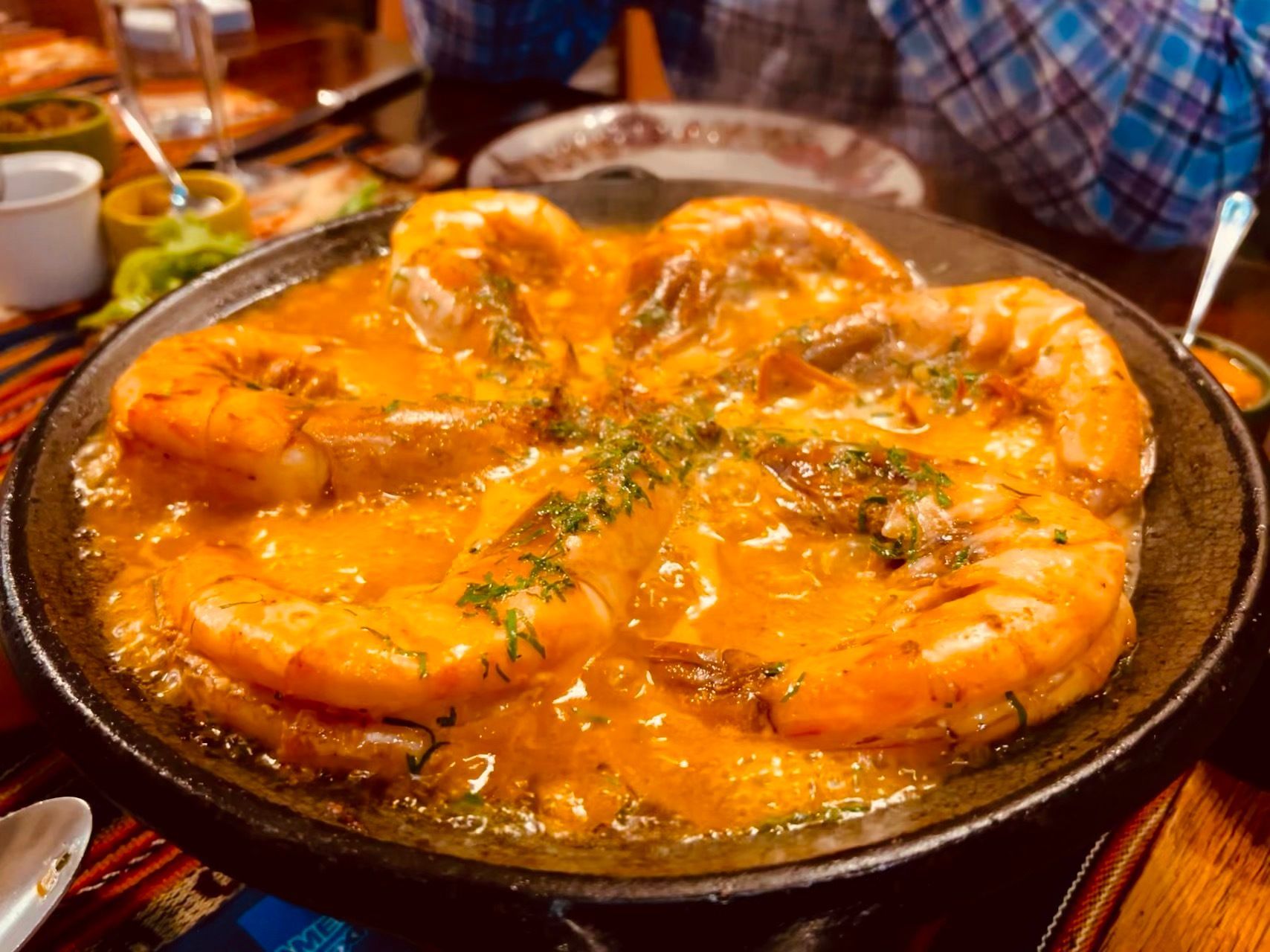
A pan filled with shrimp in a sauce on a table.

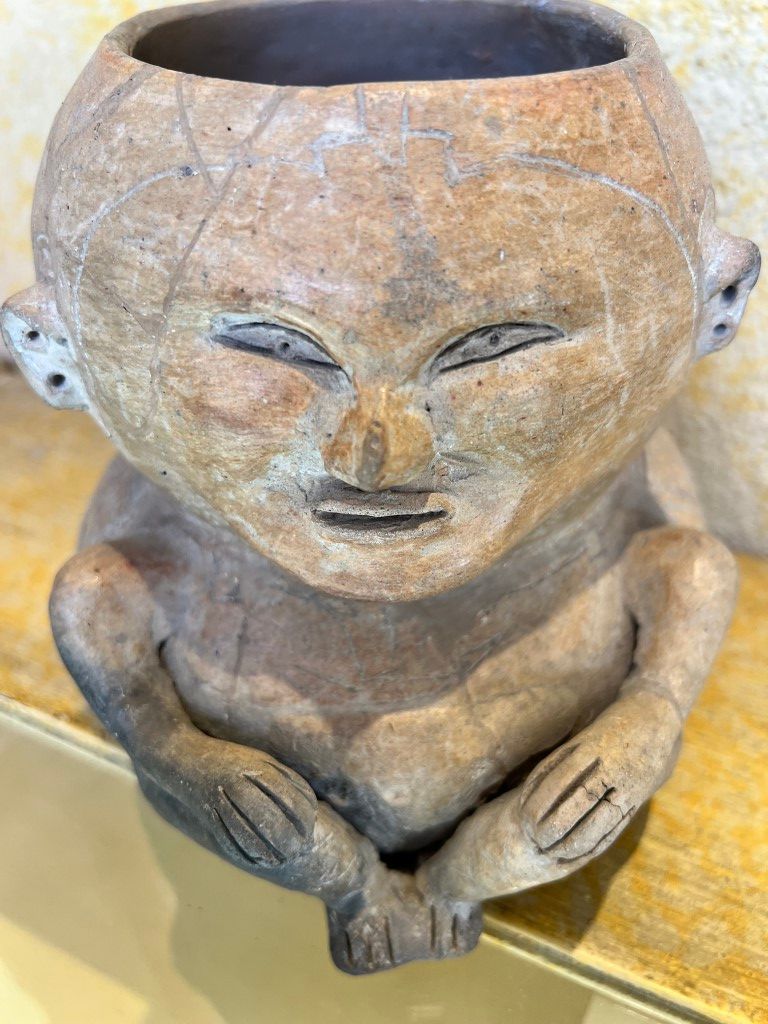
Llegados a este punto, nos preguntábamos si tendríamos que comprarnos unos pantalones nuevos para hacer sitio a todos los nuevos platos y sabores que estábamos probando. A la mañana siguiente, hicimos una presentación a los representantes de los gremios y a los propietarios de restaurantes sobre el turismo culinario y el programa de Capitales Culinarias de nuestra Asociación. Presentamos ideas sobre los próximos pasos en su certificación de Capitales Culinarias. Tras la reunión, nos dirigimos al Museo de las Culturas Aborígenes, dirigido por Carmen Cordero. Este fascinante museo es una visita obligada en Cuenca. El Museo de Culturas Aborígenes expone más de 5.000 objetos de más de 20 culturas ecuatorianas precolombinas (vea un ejemplo más abajo).

A clay vase with a face on it is sitting on a wooden table.

El museo está preparado para recibir a grupos de turistas e incluso puede preparar un almuerzo casero antes de que el grupo regrese a la ciudad. No deje de visitar la tienda de regalos. Después, nos dirigiremos al restaurante Mi Escondite para almorzar. Este restaurante existe desde hace generaciones, lo regenta la familia Tacuri y es famoso por su preparación de "cuy", que también se conoce como conejillo de indias. Es claramente uno de los favoritos de los lugareños. El servicio y la ubicación fueron excepcionales. La familia fue una excelente anfitriona.


Después nos dirigimos a la Cava San Miguel, la única destilería de ron de Ecuador, donde disfrutamos de una visita privada. Si puede, merece la pena visitarla para conocer la evolución del ron en la región. ¿Sabía que aún se cultiva caña de azúcar en Ecuador?


Luego nos reunimos con Verónica Peralta en Paccari Chocolate, considerada la empresa chocolatera más ética del mundo. Tuvimos una cata formal de chocolate, igual que se puede disfrutar de una cata privada de vinos. Aprendimos sobre el origen de los granos, cómo se preparan y también el compromiso de la empresa con sus agricultores. Se trata de una empresa extraordinaria que además cuenta con la certificación B-corp.


Esa noche cenamos en el restaurante El Mercado con el anfitrión Roberto Mora. Otra visita obligada en Cuenca. La cocina era exquisita, al igual que la decoración y la arquitectura del edificio. Regresamos a nuestro encantador hotel para pasar la última noche.


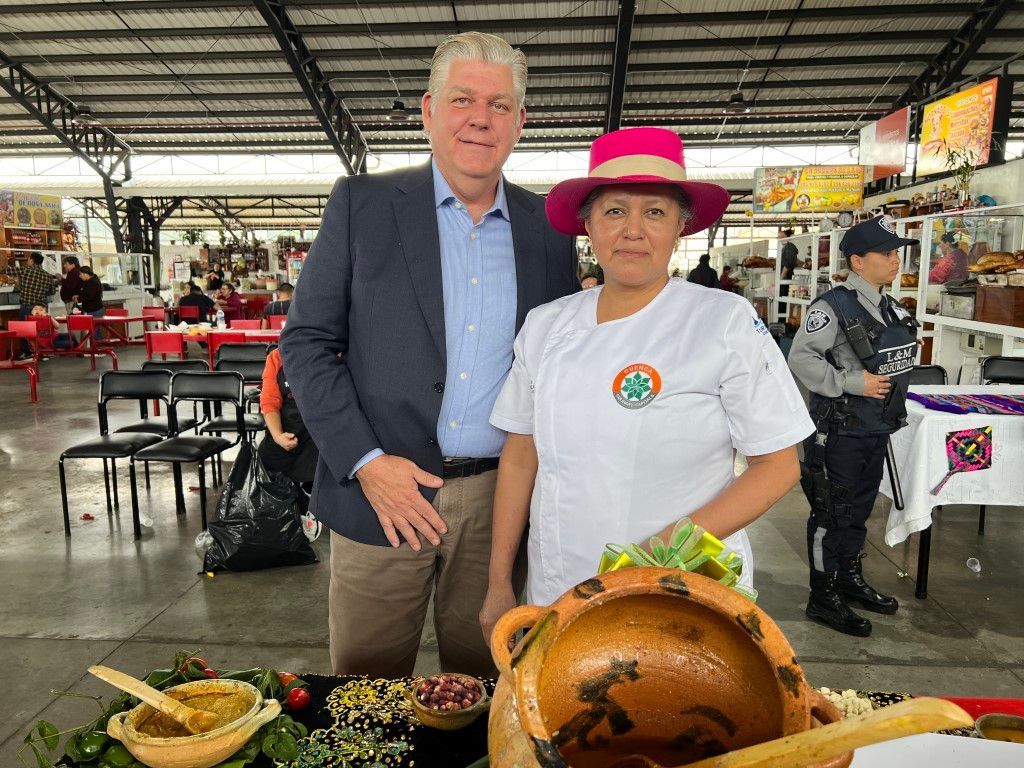
El último día participamos en un evento local en el mercado 12 de Abril, donde se celebraba un concurso para elegir a la embajadora culinaria de la ciudad. Me pidieron que diera un breve discurso sobre Cuenca como nuestra primera Capital Culinaria en Latinoamérica. Fue encantador ver a los cocineros luciendo el logotipo de Capitales Culinarias en sus chaquetas (abajo).


A man and a woman are posing for a picture in front of a pot of food.

Para nuestra cena de despedida, visitamos la Mansión Matilde, un extraordinario restaurante de destino famoso por su mezcla de encanto histórico y excelencia culinaria moderna. Situado en la segunda planta de la Casa Amarilla del Parque, este establecimiento ofrece una experiencia gastronómica única que combina elementos tradicionales y contemporáneos.


Durante el almuerzo de ese día tuvimos la oportunidad de visitar el restaurante Dos Sucres, administrado por el chef Daniel Contreras. Daniel fue criado como vegetariano y nos impresionó con su versión vegetariana de algunos platos clásicos favoritos cuencanos. Incindentalmente, entrevistamos al chef Daniel después de nuestro viaje. Puede escuchar el podcast aquí.


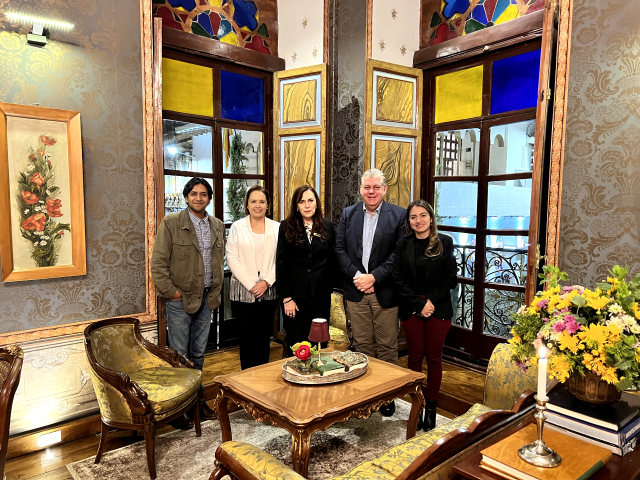
El interior de la Mansión Matilde (abajo) está elegantemente decorado, capturando la esencia de la decoración francesa de principios del siglo XX. Este ambiente proporciona un entorno pintoresco, perfecto para una comida relajante o una ocasión especial. El restaurante es conocido por su variada carta, que incluye cocina francesa y una amplia variedad de platos internacionales, lo que lo convierte en un paraíso culinario en Cuenca. Nuestras amables anfitrionas Teresa Flándoli y Lorena Encalada se aseguraron de que fuera una velada memorable.

A group of people are posing for a picture in a living room.

En nuestro último día, visitamos el ecléctico Museo de Gastronomía, dirigido por Miguel Urgilés, a las afueras de la ciudad. Aquí podrá aprender mucho sobre la historia de la alimentación y la agricultura de la región. No deje de saludar a la llama "Bon Bon". Y si es amable con ella, le dará un beso.


Cinco días no fueron suficientes para disfrutar de todo lo que ofrece Cuenca. Si reserva un viaje, prevea quedarse al menos una semana. Le recomendamos conectar en avión desde Quito o Guayaquil.

Promotion for culinary capitals an innovative destination certification and development program for unknown destinations
Taste of place podcast listen to our culinary travel and culture podcast with erik wolf
Food
A membership page with a picture of pancakes on a plate.
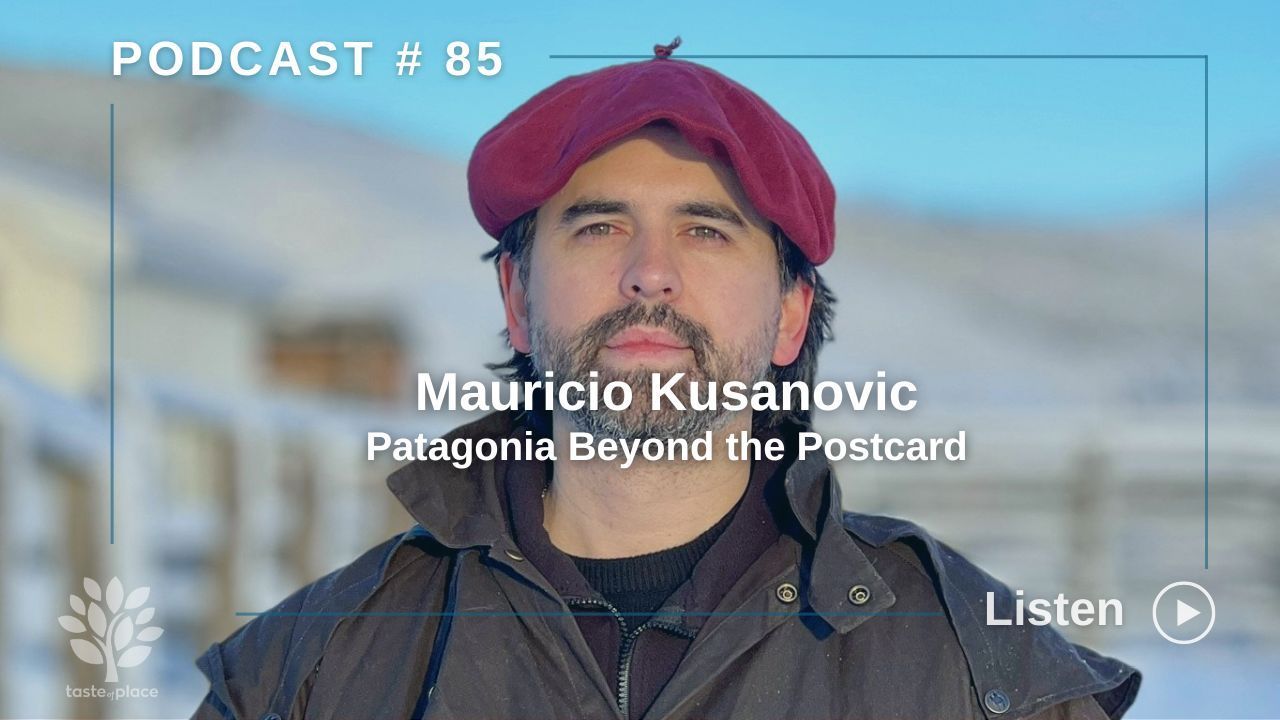
Mauricio Kusanovic in Patagonia; podcast promotion.
6 February 2026
In this episode of the Taste of Place Podcast, we travel to Chilean Patagonia with Mauricio Kusanovic, a tourism and conservation leader based in Puerto Natales, the gateway to Torres del Paine National Park. Mauricio shares how his family’s legacy in cattle ranching and early tourism has evolved into a model that integrates conservation, regenerative farming, and culinary identity. The conversation explores how food culture, from Patagonian lamb to cold-water seafood, plays a meaningful role in destination identity, community pride, and environmental stewardship. This episode offers thoughtful insight into destination management, sustainable growth, and why better tourism, not more tourism, is essential for places that remain truly wild. Listen here or on any podcast player (search for "Taste of Place Podcast").
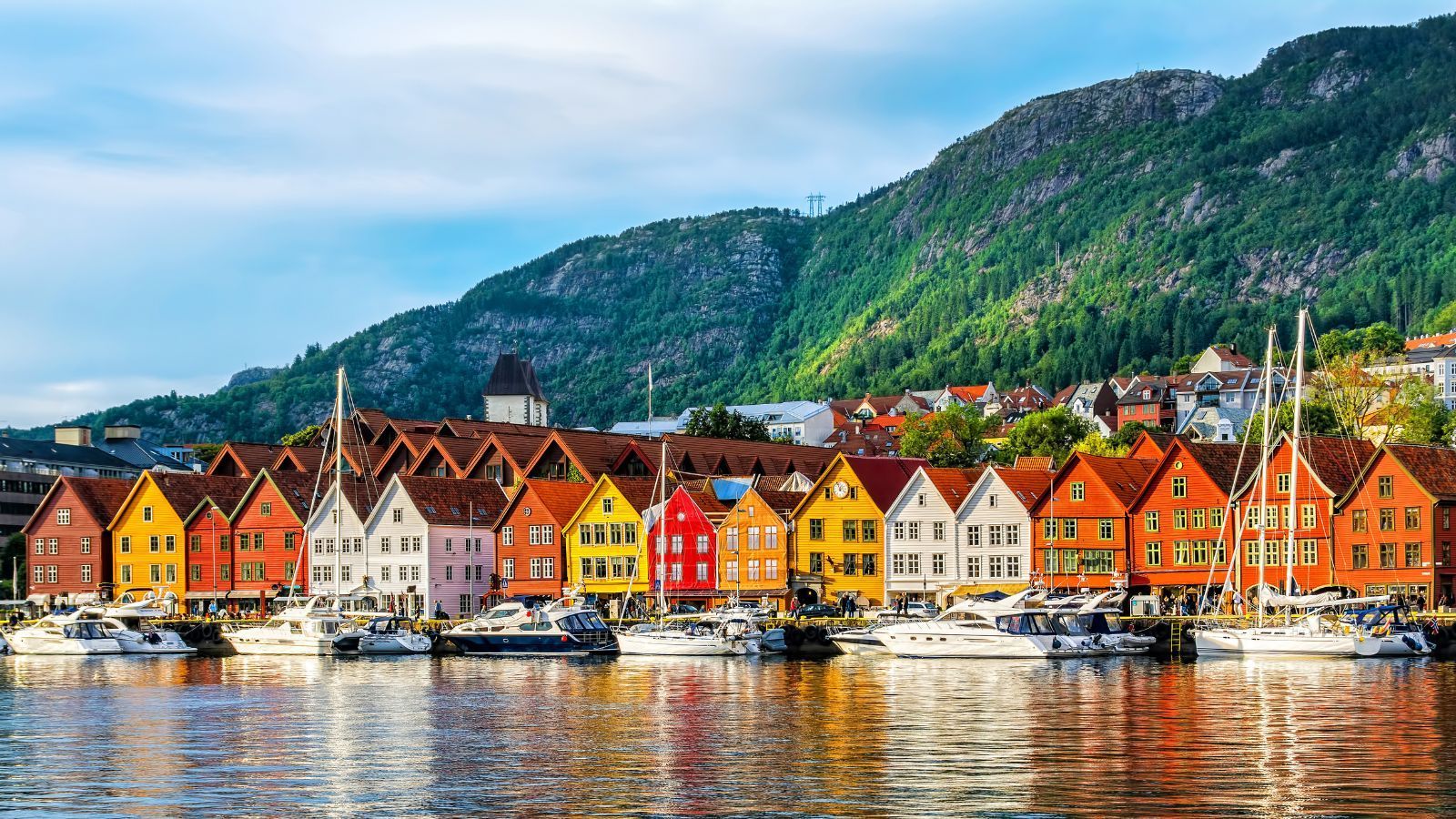
Colorful wooden buildings line a harbor in Bergen, Norway, with boats and a green mountain backdrop.
6 February 2026
The body content of your post goes here. To edit this text, click on it and delete this default text and start typing your own or paste your own from a different source.
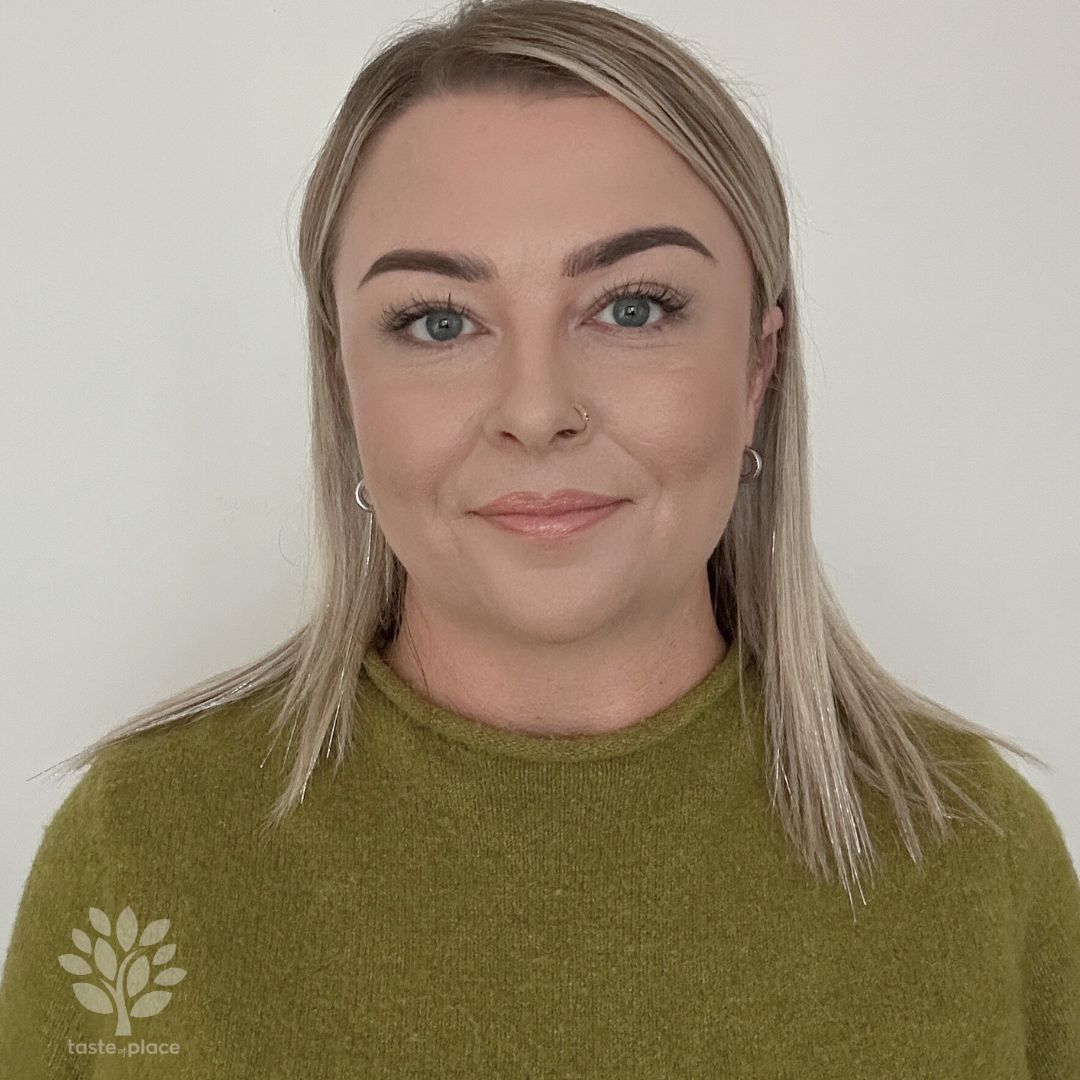
Woman with blonde hair wearing a green sweater smiles at the camera against a white wall.
5 February 2026
Taste of Place is built on a simple but often overlooked truth: culinary heritage does not protect itself. It survives because individuals choose to care for it, defend it, and pass it forward, often quietly, often without recognition. Around the world, traditional foodways are under pressure from standardization, economic shortcuts, and the gradual erosion of local knowledge. The Guardian initiative exists to acknowledge those who actively stand in that space of responsibility, not as figureheads, but as stewards of place-based culinary culture. Guardians help ensure that Taste of Place remains grounded in real people, real practices, and real commitments, anchoring the movement in lived experience rather than abstraction. It is in this spirit of stewardship and long-term commitment to place that we welcome our second Taste of Place Guardian. Kacie Morgan has spent more than a decade telling the story of Wales through food. What began in 2010 as a Welsh food and travel blog, created to build her writing portfolio after graduating from Cardiff University with a degree in journalism, has grown into The Rare Welsh Bit, a multi-award-winning platform dedicated to food-led travel and place-based storytelling. Based in Cardiff, Kacie’s work consistently places Wales at the centre of the narrative while engaging thoughtfully with global cuisines and destinations. A member of the Guild of Food Writers, she contributes to national and international publications including olive, Sainsbury’s Magazine, Co-op Food Mag, Food52, Visit Wales, and Cardiff Life, with features appearing on the BBC, Metro, and National Geographic Traveller. Her role as a champion of local culture was recently recognised at a Pride in Place reception at 10 Downing Street, and through Cardiff University’s alumni awards. As a Big Ideas Wales Role Model, she also works with Business Wales and the Welsh Government to deliver entrepreneurial talks in schools and universities across Wales, and has served as a judge for the Welsh Street Food Awards for four consecutive years. Beyond Wales, Kacie has spoken at international conferences on food and tourism and has been recognised globally for her work, including being named Blogger of the Year by the Grenada Tourism Authority for her coverage of the Grenada Chocolate Festival. Whether exploring traditional Tunisian cuisine in North Africa or travelling by flavour from her own kitchen, her work reflects a deep respect for culinary heritage, lived experience, and the power of food to express identity and place. You can learn more about her and meet Kacie on LinkedIn here or on Instagram . Or visit her website here . Learn more about our new Taste of Place Movement and how you can support it and the work done by Kacie and others like her.
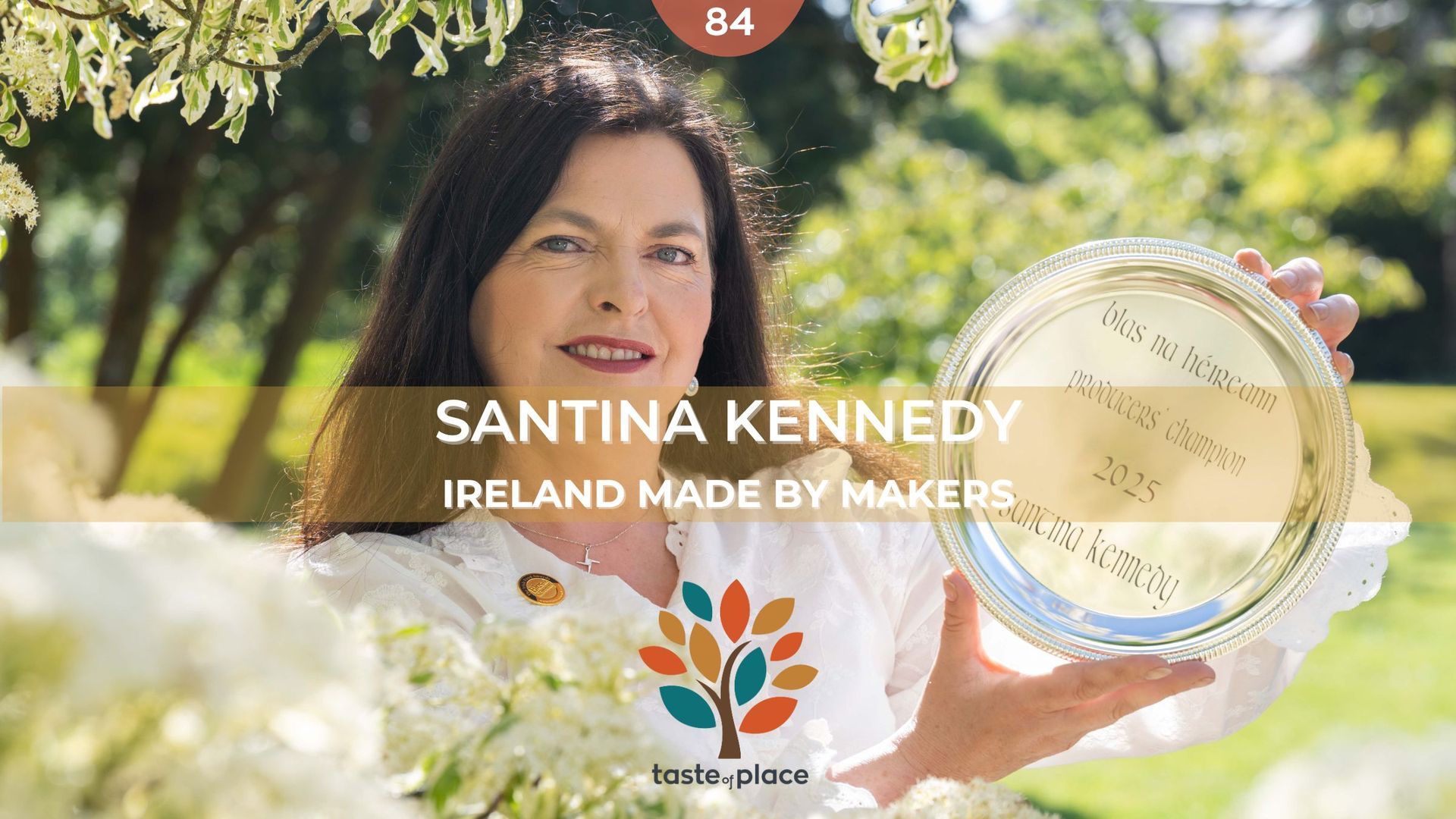
Santina Kennedy holding a silver plate, Ireland Made by Makers, outdoors.
11 January 2026
In this episode, Erik Wolf speaks with Santina Kennedy, an award-winning Irish food consultant, producer champion, and storyteller whose work bridges food history, culture, and contemporary experience design. Santina shares her unconventional journey from banking to café ownership, and ultimately to a vocation that did not exist when she was young: interpreting Irish food culture through storytelling, events, and strategic collaborations. She reflects candidly on delayed purpose, entrepreneurship without capital, and why genuine hospitality matters more than polish or scale. The conversation explores Ireland’s overlooked food narratives - from tenant farmers and kitchen workers to everyday staples like potatoes, butter, and bread - and how these stories can be brought to life through immersive experiences in galleries, estates, and public institutions. Santina also dives deeply into Irish whiskey, explaining how history, resilience, terroir, and innovation are expressed in mash bills, grains, and pairing traditions. A standout theme is Santina’s advocacy for St. Brigid as Ireland’s original food and hospitality patron, and her work elevating Brigid’s legacy through food, drink, poetry, and craft. The episode concludes with a thoughtful discussion on regional food networks, particularly County Wicklow, and why Ireland must first teach its own people to value their food culture before expecting visitors to understand it. This is a rich, reflective conversation about identity, resilience, and the power of food to tell the true story of a place. You can learn more about Santina here . The Taste of Place podcast is sponsored by the World Food Travel Association’s Taste of Place movement. Taste of Place is a global initiative that celebrates culinary culture, food heritage, and the makers behind them. Through the movement, travelers and consumers are encouraged to connect more deeply with destinations and products through their unique flavors and traditions. Learn more at JoinTasteofPlace.org . 🎙️ Available now on Spotify, iTunes & your favorite podcast platforms (Search for "Taste of Place") 📺 Prefer video? Watch it now on our YouTube channel . Or listen here now:
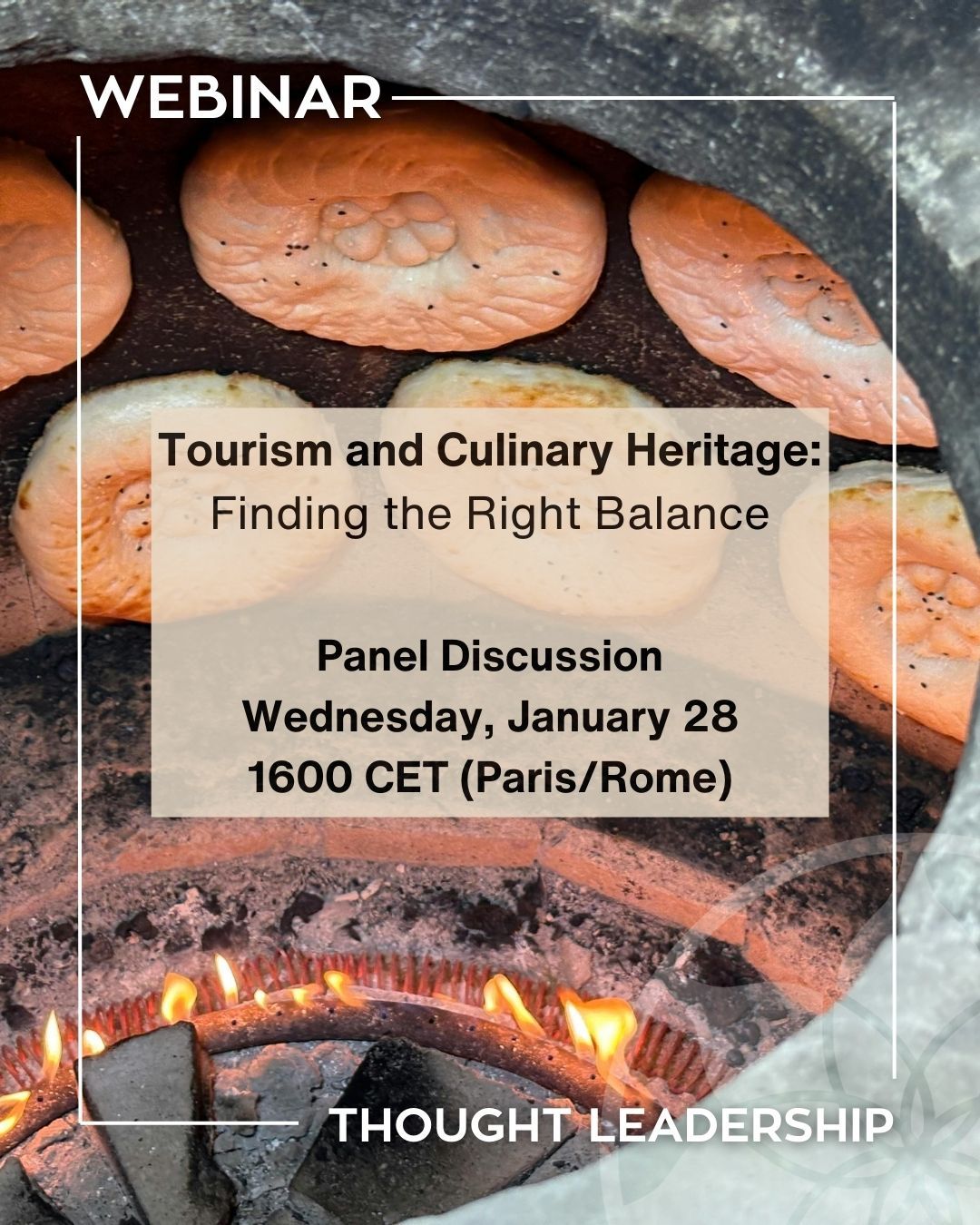
Webinar announcement: Tourism and Culinary Heritage panel. Baked bread in oven; text on overlay:
5 January 2026
REGISTER NOW As interest in local food cultures continues to grow, destinations face increasingly complex choices. Tourism can support culinary heritage by strengthening local economies and raising awareness of food traditions. At the same time, poorly managed promotion can simplify, commodify, or distort cultural practices. This webinar brings together perspectives from across the system to examine how tourism and culinary heritage can coexist more responsibly. Panelists: - Janice Ruddock, Executive Director, Ontario Craft Brewers Association - Sean O’Rourke, President, Eat & Walkabout Tours - Niclas Fjellström, Executive Director, Culinary Heritage Network - Erik Wolf, Executive Director, World Food Travel Association The discussion will be moderated by Marc Checkley, a Lausanne-based storyteller, journalist, and experienced event host with a background in food, wine, travel, and cultural programming. Topics include: Recognizing culinary heritage as living culture rather than a static product Understanding how tourism and markets influence tradition over time Identifying where destinations most often struggle to find balance Applying practical principles for responsible promotion and stewardship This session is relevant for destination marketers, tourism offices, policymakers, producer associations, educators, and anyone working at the intersection of food, culture, and place. There is no cost to attend. REGISTER NOW
WFTA Year in Review 2025 graphic with a dark flower logo on a gradient background of pink, yellow, and blue geometric shapes.
by Erik Wolf 1 January 2026
In 2025, the World Food Travel Association focused on strengthening culinary culture as living heritage, supporting the people and practices that sustain it, and building informed global collaboration rooted in values rather than prestige. Advanced the Taste of Place Movement and Alliance We clarified and communicated the purpose of the Taste of Place Movement — a global effort dedicated to safeguarding culinary heritage and empowering the keepers of food culture in alignment with the Declaration for the Preservation of Culinary Heritage . The Taste of Place Alliance framework was defined to support destinations, organizations, and practitioners who share these values. We also invite those who support this mission to join the Movement through philanthropic contributions. Do you represent a destination? Please contact us to learn how your destination can participate. Delivered Strategic Advisory and Destination Engagement Work We conducted destination-level analysis and advisory engagement in diverse regions, including the Bothnian Bay area of Sweden and Finland and with Saudi Arabia’s Culinary Arts Commission , to help partners explore how food culture, regional identity, and cooperation can contribute to responsible cultural and economic resilience. Updated Professional Training Programs All certification and training programs were updated with current research, terminology, and real-world cases. Regular refresh cycles ensure that practitioners receive instruction that reflects the most accurate and relevant information available. Built Relationships Through Targeted Engagement We engaged directly with destinations, stakeholders, and partners through site visits and industry events, including exploratory meetings in Umbria, Italy and participation in World Travel Market , to listen, assess alignment, and foster partnerships grounded in cultural integrity. Expanded and Recognized Leadership Within Our Global Network In 2025 we welcomed new Ambassadors from diverse regions, including Chef Dela Acolatse ( Ghana ) and Gerald Kock ( Aruba ), and named Mabel Esther Vega Montaño ( Colombia ) as our first Taste of Place Guardian, recognizing her lifelong commitment to ancestral knowledge and rural food culture. These appointments reinforce our values as articulated in the Declaration for the Preservation of Culinary Heritage. Interested in becoming an Ambassador or Guardian in your area? If you share our values and commitment, please get in touch . Honored Outstanding Contributions to the Field We awarded the 2025 Lifetime Achievement Award to Francesc Fusté-Forné (Girona, Spain) in recognition of his distinguished career advancing food tourism research, education, and understanding of culinary culture. We also invited the community to nominate other individuals whose work has made enduring contributions to our field. Provided Global Advocacy Through Editorial and Media Platforms We continued to interpret and elevate global developments in newsletters and digital content, and through the Taste of Place Podcast , which released 11 episodes in 2025 featuring inspiring leaders. Notable episodes included “Peace Through Food” with Paula Mohammed, “The Sweet Taste of Ethics” featuring Veronica Peralta on ethical chocolate, and “From Tunisia With Flavor” with Jamie Furniss on repositioning Tunisian cuisine for travelers. By sharing these conversations, we reinforced food as cultural heritage and connected listeners with makers and culture bearers.
More posts