
¿Qué es el Gusto?

21 October 2020
¿Qué es el Gusto?

Sabemos por las investigaciones realizadas por la World Food Travel Association que los turistas gastronómicos son aventureros y curiosos. Ellos buscan activamente nuevas formas de deleitarse con cocina genuina y de aprender sobre el terroir de productos en específico. Memorias de gran intensidad pueden originarse del contacto con los sabores de un lugar. La World Food Travel Association define el turismo gastronómico como “el acto de viajar por el gusto de un lugar para obtener la esencia del lugar”. Reunimos nuestros pensamientos y algunos hechos interesantes sobre el gusto y los hicimos parte de una serie que llamamos “El Gusto de un lugar” (The Taste of a Place). Este primer capítulo explora la superficie del concepto del gusto, y el significado de los sabores de un lugar.

¿Te has preguntado alguna vez por qué la a veces la comida tiene un sabor tan increíblemente bueno? O ¿por qué ciertas combinaciones de alimentos como la sal y el dulce, por ejemplo, el jamón serrano y el melón o quizá el queso azul y las galletas de jengibre (confía en mí en esa), van tan bien juntos como el yin y el yang, Batman y Robin, o Tom y Jerry? Siempre he pensado que debe haber una razón por la que la comida sabe tan bien, y por la que algunos alimentos combinan tan bien entre sí. Siempre me ha sorprendido el hecho de que comamos de forma tan diferente según el país donde vivimos. Al crecer en Suecia, solía preguntarme, si la gente no come #falukorv o alce fuera de Suecia, ¿qué comen en el extranjero?  De seguro todos se esforzarán por sacarle el mejor provecho a lo que la naturaleza ofrece en su entorno, la vida es muy corta como para comer comida mala o insípida. Esto me hizo pensar en el gusto, en cómo nos conecta y en lo significativo que resulta esta mezcla de sabores cuando estamos de viaje.

Histórica y biológicamente, el propósito del gusto ha sido simplemente relacionado a su función, la cual más específicamente refiere a la evaluación de los recursos alimenticios disponibles en el entorno natural. Nuestros antecesores, los primeros humanos, necesitaban ser capaces de identificar qué alimentos eran buenos para comer y cuáles eran venenosos o incluso potencialmente mortales. De igual forma, nuestro sentido del gusto nos ayudaba a identificar los elementos más nutritivos y evitar los de menor potencial alimenticio, evitando así el desperdicio de la preciada energía. Se puede decir que el sentido del gusto se desarrolló para evitar que tomáramos malas decisiones al comer. A lo largo de la evolución, algunos animales han perdido muchos de sus receptores gustativos, simplemente porque ya no les resultan de utilidad. Por el contrario, los humanos han conservado sus receptores del gusto, sin duda porque para nosotros la necesidad del gusto se mantiene vigente.

Científicamente, el gusto es una modalidad sensorial, es decir, un sentido que se expresa en la forma cómo percibimos la experiencia de un líquido o una sustancia en nuestra boca. Muchos de nosotros sabemos que los gustos básicos que podemos percibir son sal, dulce, amargo, agrio y umami. Investigaciones recientes sugieren al gusto de la grasa como un sexto tipo que podría ser incluido en este grupo. El sabor, por otro lado, es una combinación de gusto con percepciones auditivas (burbujas, crujidos), sensaciones táctiles como la textura y la temperatura (masticable, crujiente, seco, tierno), y lo más importante, lo que olemos. Las moléculas son detectadas por receptores en la boca y la nariz, y la información es luego interpretada por el cerebro que nos permite saber lo que estamos comiendo o bebiendo. Uno puede describir un alimento como “salado” o “dulce”, pero cuando decimos que sabe a miel, o que el vino nos recuerda a moras, estamos evaluando todo el sabor con el olor de nuestras cavidades nasales dentro de la boca, así como los recuerdos de nuestras experiencias alimentarias anteriores. Los cinco sentidos que tenemos como humanos se estimulan activamente al comer. Hay señales que se envían entre las neuronas del cerebro y desencadenan una respuesta nerviosa en las partes del cerebro que son responsables de nuestras emociones. La experiencia íntegra se combina creando un evento agradable, y esta es aparentemente la razón por la que muchas veces, el sentimiento de felicidad viene por medio de una comida sabrosa.

Culturalmente, el gusto está relacionado a patrones y preferencias de alimentación, lo que elegimos comer, y estas predilecciones están influenciadas por innumerables características que dependen del lugar geográfico, las tradiciones, las elecciones personales y a veces la religión. A medida en que las personas van creciendo rodeados de un ambiente particular, se desarrolla una cierta conciencia de calidad, y comenzamos a analizar las sensaciones. Estamos conscientes de lo que estamos probando, y usamos palabras para describirlo. No es común crear un profundo análisis o realizar una investigación de todos los gustos y sabores elaborados que estamos detectando, pero las propias percepciones, están casi siempre sesgadas por nuestras propias experiencias, educación y crianza. Nuestros cinco sentidos son poderosos motores cuando se trata de evocar y recordar un evento pasado. ¿Recuerdas tu primer beso o un momento especial con un ser querido al oler una fragancia familiar? O cuando comes las albóndigas de tu abuela por quincuagésima vez, ¿no te lleva de vuelta a las cenas de tu infancia? Pero, ¿cuándo una cultura se plasma en el gusto?

¿Y cómo puede el gusto crear la esencia de un lugar?

Una cultura se plasma en el gusto de un lugar en particular cuando se identifican no sólo los productos específicos de la región y los platos típicos, sino también las técnicas que se utilizan al cocinar o preparar la comida en ese lugar en particular. Hervir, asar, cocinar al vapor, ahumar, cocinar bajo tierra, freír, curar son algunos de los métodos de cocina que muchos de nosotros conocemos y amamos. Muchas veces, una técnica se ha desarrollado por necesidad, por ejemplo, para poder conservar ciertos alimentos durante temporadas del año que presentan un clima menos apto para su cultivo. La historia ha jugado un papel gigante en la definición de la identidad culinaria de los territorios. Guerras, colonizaciones, cambios de fronteras, desplazamientos, viajes y globalización son varios de los elementos que han influido en las identidades culinarias. No vayamos a olvidar la forma en que comemos, ya sea con los dedos, el cuchillo y el tenedor o con los palillos, el hecho de hacerlo temprano o tarde, o de comer todo lo servido o dejar algo en el plato. Lo que comemos, y cómo lo comemos, es una expresión de nuestra identidad cultural. Esto es lo que somos. Esto es lo que comemos. Este es nuestro mundo. Esto es lo que asociamos con el gusto de un lugar hoy en día.

En términos de actividad cultural y a veces social, no siempre apreciamos los valores y la historia que se nos ha transferido a través de la comida. Los sabores pueden ser principalmente un placer para los sentidos, pero también puede satisfacer tu mente y corazón si te sumerges un poco más profundamente.

Los destinos y sus oficinas de promoción trabajando en el turismo gastronómico encuentran gran beneficio al contar con una estrategia para el desarrollo del turismo gastronómico. Contáctanos hoy para discutir sobre cómo preparar tu oferta local e incorporar esta estrategia de apalancamiento del turismo y recuperación frente a la crisis del COVID.

Autora:  Rosanna Olsson | Traductora: Lilí Torres
Promotion for culinary capitals an innovative destination certification and development program for unknown destinations
Taste of place podcast listen to our culinary travel and culture podcast with erik wolf
Food
A membership page with a picture of pancakes on a plate.
11 January 2026
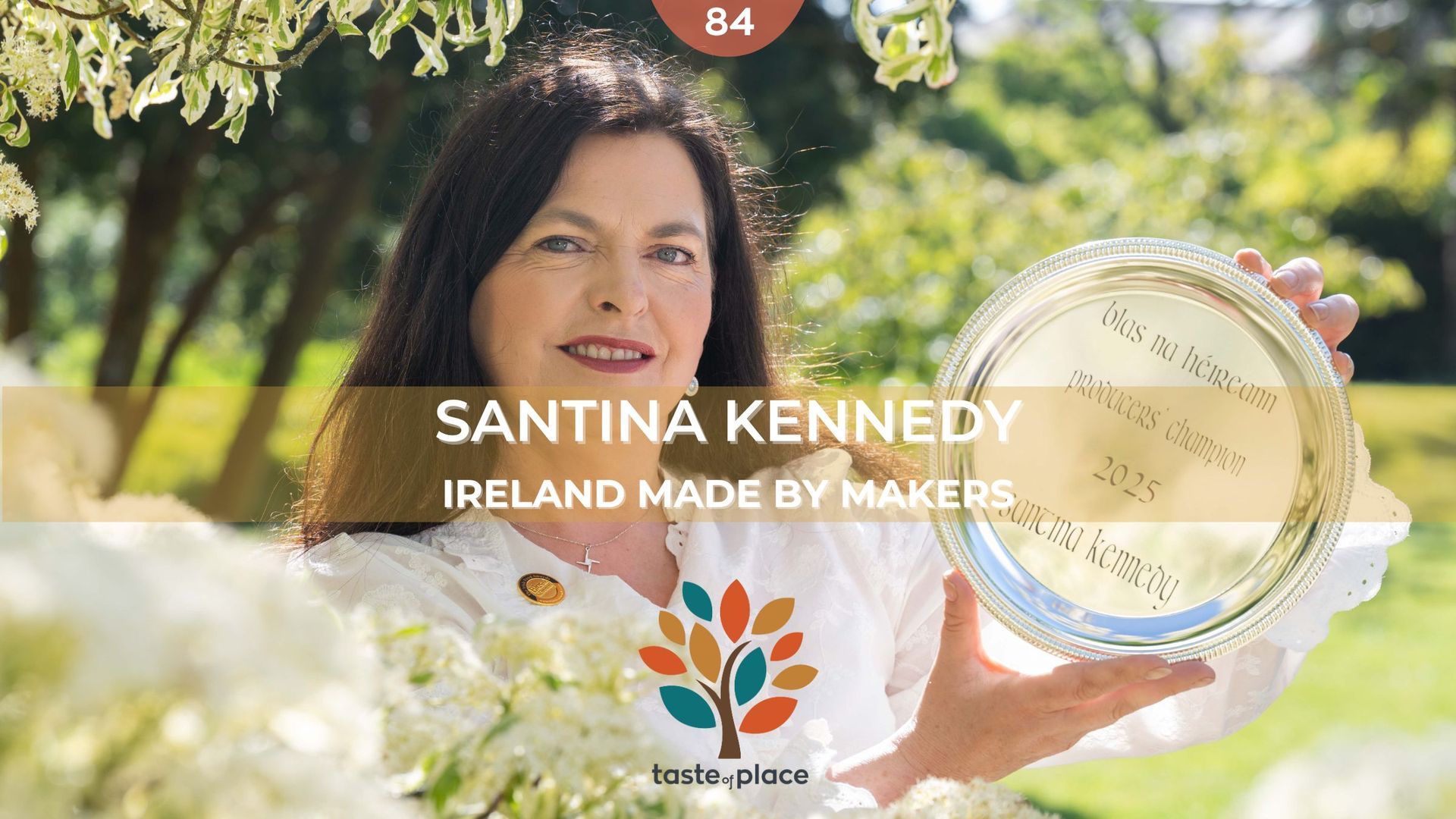
In this episode, Erik Wolf speaks with Santina Kennedy, an award-winning Irish food consultant, producer champion, and storyteller whose work bridges food history, culture, and contemporary experience design. Santina shares her unconventional journey from banking to café ownership, and ultimately to a vocation that did not exist when she was young: interpreting Irish food culture through storytelling, events, and strategic collaborations. She reflects candidly on delayed purpose, entrepreneurship without capital, and why genuine hospitality matters more than polish or scale. The conversation explores Ireland’s overlooked food narratives - from tenant farmers and kitchen workers to everyday staples like potatoes, butter, and bread - and how these stories can be brought to life through immersive experiences in galleries, estates, and public institutions. Santina also dives deeply into Irish whiskey, explaining how history, resilience, terroir, and innovation are expressed in mash bills, grains, and pairing traditions. A standout theme is Santina’s advocacy for St. Brigid as Ireland’s original food and hospitality patron, and her work elevating Brigid’s legacy through food, drink, poetry, and craft. The episode concludes with a thoughtful discussion on regional food networks, particularly County Wicklow, and why Ireland must first teach its own people to value their food culture before expecting visitors to understand it. This is a rich, reflective conversation about identity, resilience, and the power of food to tell the true story of a place. You can learn more about Santina here . The Taste of Place podcast is sponsored by the World Food Travel Association’s Taste of Place movement. Taste of Place is a global initiative that celebrates culinary culture, food heritage, and the makers behind them. Through the movement, travelers and consumers are encouraged to connect more deeply with destinations and products through their unique flavors and traditions. Learn more at JoinTasteofPlace.org . 🎙️ Available now on Spotify, iTunes & your favorite podcast platforms (Search for "Taste of Place") 📺 Prefer video? Watch it now on our YouTube channel . Or listen here now:
5 January 2026
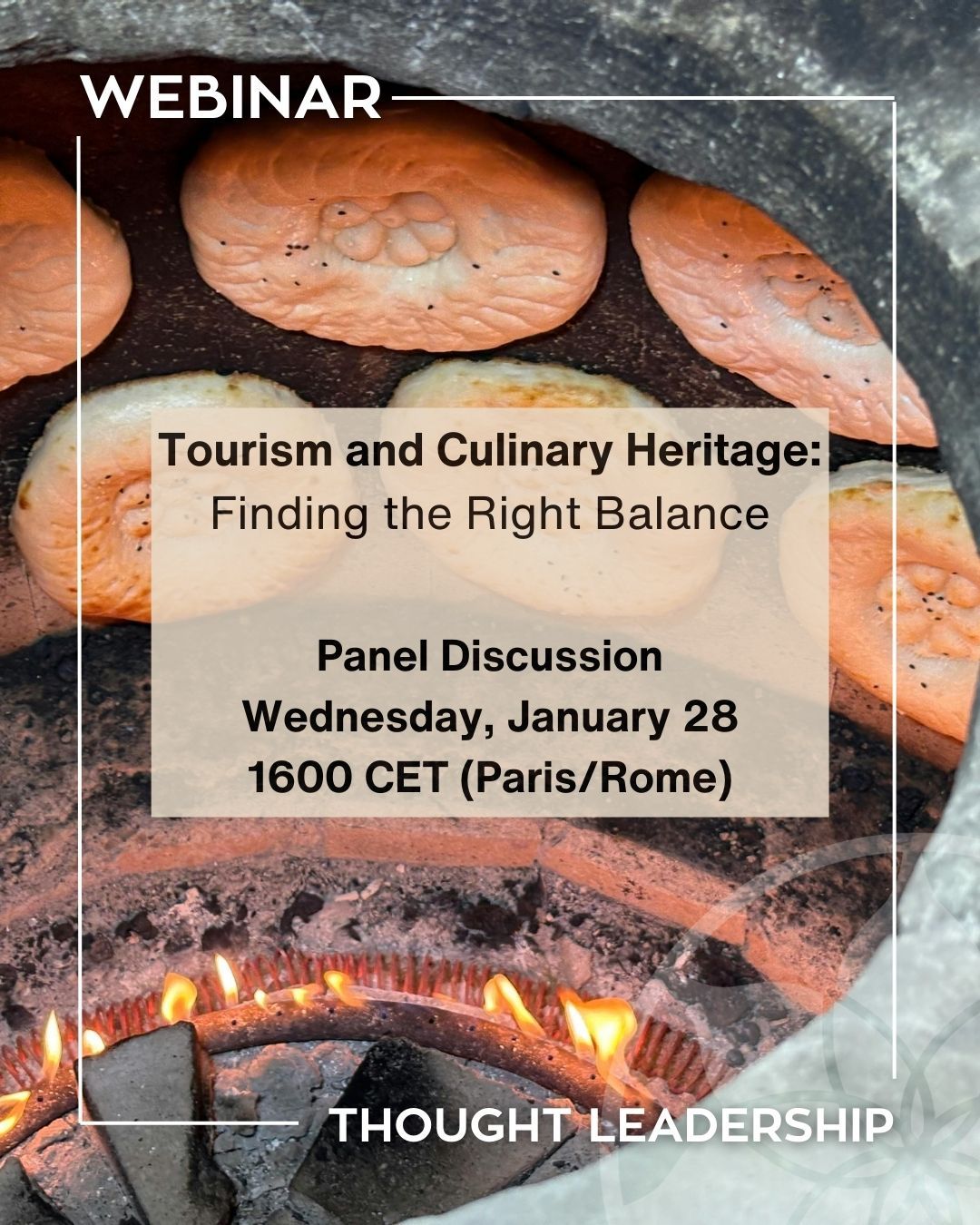
REGISTER NOW As interest in local food cultures continues to grow, destinations face increasingly complex choices. Tourism can support culinary heritage by strengthening local economies and raising awareness of food traditions. At the same time, poorly managed promotion can simplify, commodify, or distort cultural practices. This webinar brings together perspectives from across the system to examine how tourism and culinary heritage can coexist more responsibly. Panelists: - Janice Ruddock, Executive Director, Ontario Craft Brewers Association - Sean O’Rourke, President, Eat & Walkabout Tours - Niclas Fjellström, Executive Director, Culinary Heritage Network - Erik Wolf, Executive Director, World Food Travel Association The discussion will be moderated by Marc Checkley, a Lausanne-based storyteller, journalist, and experienced event host with a background in food, wine, travel, and cultural programming. Topics include: Recognizing culinary heritage as living culture rather than a static product Understanding how tourism and markets influence tradition over time Identifying where destinations most often struggle to find balance Applying practical principles for responsible promotion and stewardship This session is relevant for destination marketers, tourism offices, policymakers, producer associations, educators, and anyone working at the intersection of food, culture, and place. There is no cost to attend. REGISTER NOW
by Erik Wolf 1 January 2026
In 2025, the World Food Travel Association focused on strengthening culinary culture as living heritage, supporting the people and practices that sustain it, and building informed global collaboration rooted in values rather than prestige. Advanced the Taste of Place Movement and Alliance We clarified and communicated the purpose of the Taste of Place Movement — a global effort dedicated to safeguarding culinary heritage and empowering the keepers of food culture in alignment with the Declaration for the Preservation of Culinary Heritage . The Taste of Place Alliance framework was defined to support destinations, organizations, and practitioners who share these values. We also invite those who support this mission to join the Movement through philanthropic contributions. Do you represent a destination? Please contact us to learn how your destination can participate. Delivered Strategic Advisory and Destination Engagement Work We conducted destination-level analysis and advisory engagement in diverse regions, including the Bothnian Bay area of Sweden and Finland and with Saudi Arabia’s Culinary Arts Commission , to help partners explore how food culture, regional identity, and cooperation can contribute to responsible cultural and economic resilience. Updated Professional Training Programs All certification and training programs were updated with current research, terminology, and real-world cases. Regular refresh cycles ensure that practitioners receive instruction that reflects the most accurate and relevant information available. Built Relationships Through Targeted Engagement We engaged directly with destinations, stakeholders, and partners through site visits and industry events, including exploratory meetings in Umbria, Italy and participation in World Travel Market , to listen, assess alignment, and foster partnerships grounded in cultural integrity. Expanded and Recognized Leadership Within Our Global Network In 2025 we welcomed new Ambassadors from diverse regions, including Chef Dela Acolatse ( Ghana ) and Gerald Kock ( Aruba ), and named Mabel Esther Vega Montaño ( Colombia ) as our first Taste of Place Guardian, recognizing her lifelong commitment to ancestral knowledge and rural food culture. These appointments reinforce our values as articulated in the Declaration for the Preservation of Culinary Heritage. Interested in becoming an Ambassador or Guardian in your area? If you share our values and commitment, please get in touch . Honored Outstanding Contributions to the Field We awarded the 2025 Lifetime Achievement Award to Francesc Fusté-Forné (Girona, Spain) in recognition of his distinguished career advancing food tourism research, education, and understanding of culinary culture. We also invited the community to nominate other individuals whose work has made enduring contributions to our field. Provided Global Advocacy Through Editorial and Media Platforms We continued to interpret and elevate global developments in newsletters and digital content, and through the Taste of Place Podcast , which released 11 episodes in 2025 featuring inspiring leaders. Notable episodes included “Peace Through Food” with Paula Mohammed, “The Sweet Taste of Ethics” featuring Veronica Peralta on ethical chocolate, and “From Tunisia With Flavor” with Jamie Furniss on repositioning Tunisian cuisine for travelers. By sharing these conversations, we reinforced food as cultural heritage and connected listeners with makers and culture bearers.
31 December 2025
🎧 New Podcast Episode Alert! Episode 83: “Why Artisanal Still Matters” featuring Heike Winter What happens when you completely reinvent your life at 50—and return to the culinary traditions that shaped you? In Episode 82, host Erik Wolf speaks with Daniela Sfara, the Canadian-Italian chef, cultural ambassador, and founder of ITALUS whose mission is to preserve the disappearing regional foodways of Italy. Daniela shares her extraordinary personal transformation from a 20-year jewellery career to becoming a respected voice in culinary culture, hospitality excellence, and immersive food experiences across Italy, Dubai, Europe, and North America. Daniela’s story is one of resilience, reinvention, and deep cultural stewardship. Whether you work in food, tourism, hospitality, or simply love Italian cuisine, this is an inspiring reminder that food is identity, and preserving culinary heritage is an act of service to future generations. 🎙️ Available now on Spotify, iTunes & your favorite podcast platforms (Search for "Taste of Place") 📺 Prefer video? Watch it now on our YouTube channel. Or listen here now:
Road stretching towards the setting sun. Golden sky, open fields.
31 December 2025
ARUBA (Gerald Kock) Savaneta Seafood Festival: A Model for Community-Led Food Touri sm in Aruba The inaugural Savaneta Seafood Festival, held on September 28, 2025, by Fundación Savaneta Prome Capital, marked a significant moment in Aruba’s culinary and cultural calendar. In the island’s first capital, seaside streets were transformed into a pedestrian-only celebration where food, music, and heritage came together as a powerful expression of local identity. Attracting an estimated 6,000 visitors, the festival demonstrated strong demand for authentic, community-driven experiences among both residents and travelers. Central to the event was an “Ocean-to-Plate” revival. Twenty-four local vendors showcased seafood such as snails, conch, shrimp, and lobster, prepared using traditional family recipes and fresh local herbs. The festival also revived a local fishing tournament for the first time in 40 years. Approximately 30 boats and 100 fishermen landed a collective catch of 880 kg, reinforcing the connection between sea, community, and tradition. Part of the catch was donated and grilled on-site by local chefs, allowing visitors to experience the full journey from ocean to plate - a powerful symbol of sustainability, generosity, and shared pride. Beyond gastronomy, the festival elevated local culture and entrepreneurship through art, crafts, and music, positioning Savaneta as a living example of how cultural heritage and economic opportunity can thrive together. From the perspective of Food Tourism Ambassadors for the World Food Travel Association, the festival offers a replicable framework for Aruba’s future: a model in which each district expresses its distinct identity through food, storytelling, and place-based experiences. The Savaneta Seafood Festival stands as proof that culinary heritage can strengthen community resilience and support sustainable tourism. More than a single event, it presents a compelling vision of how small places can achieve meaningful global impact through food.
14 December 2025
🎧 New Podcast Episode Alert! Episode 82: “Cooking by Heart, Not by Recipe” featuring Daniela Sfara What happens when you completely reinvent your life at 50—and return to the culinary traditions that shaped you? In Episode 82, host Erik Wolf speaks with Daniela Sfara, the Canadian-Italian chef, cultural ambassador, and founder of ITALUS whose mission is to preserve the disappearing regional foodways of Italy. Daniela shares her extraordinary personal transformation from a 20-year jewellery career to becoming a respected voice in culinary culture, hospitality excellence, and immersive food experiences across Italy, Dubai, Europe, and North America. Daniela’s story is one of resilience, reinvention, and deep cultural stewardship. Whether you work in food, tourism, hospitality, or simply love Italian cuisine, this is an inspiring reminder that food is identity, and preserving culinary heritage is an act of service to future generations. 🎙️ Available now on Spotify, iTunes & your favorite podcast platforms (Search for "Taste of Place") 📺 Prefer video? Watch it now on our YouTube channel. Or listen here now:
More posts