The Taste of Place – Taste and Comfort

18 December 2020

The global pandemic of Covid-19 hit us like a ton of bricks. Closed borders, advice against unnecessary travel, mandatory quarantine, health and security measures, that for a year ago would have appeared absurd. The world seems up-side-down as we are getting used to a new normality, and the uncertainty is definitely making people think twice before taking a trip or calling to reserve a restaurant table. For the food-loving traveller, confinement may seem the harshest of punishments, although we might have found alternative ways to enjoy food and travelling, all in the comfort of our own home. 

Before life threw us the biggest curveball we’ve seen since the last financial crisis, I was dining out or ordering takeaway at least twice a week. Sometimes more, sometimes less, but on average I would say twice a week. For being one of my favourite activities it is not that much. According to statistics from Eurostat , the average spending on eating-out in the European Union was 7% in 2018, more than €600bn. The two top countries, Ireland and Spain spent on average 14,4% and respectively 13% of their total household expenditure on dining out or take-away food. Both the hospitality sector and the tourism industry reported growth in 2019, and UNWTO forecasted another 4% increase in international tourist arrivals for 2020. Regrettably, these numbers have had to be revised for the current year and the UNWTO reported in their latest World Tourism barometer that international arrivals will have suffered a 70% decrease by the end of this year. 

So what have we been doing instead of travelling and dining out? 

We have been spending large amounts of time at home, and when unable to socialize like we used to, new habits have been introduced. Socializing is a part of our human nature, we don’t want to be alone. As loneliness can produce boredom and insecurity, reports from around the world show that many have been suffering from depression due to quarantine and lockdowns. 

Uncertain times make for clever and resourceful ideas. We are not only talking about practical substitutes for toilet paper (why this commodity was the first to be sold out in the supermarkets beats me), but creative inventions developed for communication, education, and even leisure. Communicating over Skype and Facetime with loved ones, school classes taking place online and professional development through distance learning, and even museums offering virtual tours. 

However, we have not only searched for innovative ways when it comes to maintaining contact with the outer world.  Many of us turned inwards in search of that sense of comfort and security. Home activities such as gardening, reading and especially cooking, peaked during the lockdown as a means for coping with restrictions. We have been cooking as never before, by following Youtube-chefs and by going back to our roots in search for family recipes. Spending time with the family and showing how to make the most of whatever ingredients at hand, Jamie Oliver taught viewers how to #Keepcookingandcarryon in response to Covid. 

Several newspapers and magazines have published lists of the “best cookbooks of 2020”, the number of cooking shows and food documentaries on Netflix has grown immensely as we binge-watch “Chef’s table” and giggle as we follow Phil being fed in various locations around the world in “Somebody feed Phil”. The protagonist, Phil Rosenthal, has even started an initiative to encourage people to donate to organizations that “do good through food”, especially for those in need of food and comfort in hard times, such as the covid pandemic. 

Food has an amazing way of providing comfort, not only does it settle hunger and allows for pleasurable gatherings, but the activity of preparing food can actually be a meditative exercise as well. Following a recipe and chopping an onion helps our brains to focus on a simple task. It is a way to disconnect from work and also from the outside world. Measuring ingredient quantities, keeping an eye on a boiling pot, kneading dough or even stirring a sauce requires attention. By being fully present and aware of the task at hand, we are practising mindfulness, and mindfulness through cooking has shown to be beneficial for reducing feelings of anxiety and stress. Don’t forget about the feeling of satisfaction and accomplishment upon the completion of a heavenly-smelling, crunchy apple crumble with velvety vanilla custard…

In my kitchen we have during the lockdown produced many Spanish and Swedish classic dishes, typical from our childhood. I did cinnamon buns, meatballs and vegetable soup, essentials from my grandmother’s kitchen. My boyfriend served a “Pollo a la Catalana” and the most perfect Spanish omelette that reminded him of childhood summers spent in his mother’s village. There is something special about reminiscing over food and taste, and to be immediately transported back to your childhood or a specific food memory that brings out emotions.

One of my first baking memories is of standing on a stool in my grandmother’s kitchen in order to reach up to the counter to brush the cinnamon buns with the beaten egg and later drizzle the nib sugar – I was three years old. Today I don’t need a stool to reach, but it is the first thing that comes to my mind when baking the recipe, just the way we used to. The feeling is comforting, heartening and consoling. Just what the doctor ordered if you also have been slightly stroked by a pandemic depression. 

To remember and celebrate the culinary recipes and moments we grew up with, it is important to preserve our culinary culture and whenever possible, remind ourselves of where we came from in order to celebrate the future and ensure that we bring these immortal gastronomic treasures with us. Join us in the celebration of the World Food Travel Day on April 18th.

Authored by: Rosanna Olsson
Promotion for culinary capitals an innovative destination certification and development program for unknown destinations
Taste of place podcast listen to our culinary travel and culture podcast with erik wolf
Food
A membership page with a picture of pancakes on a plate.
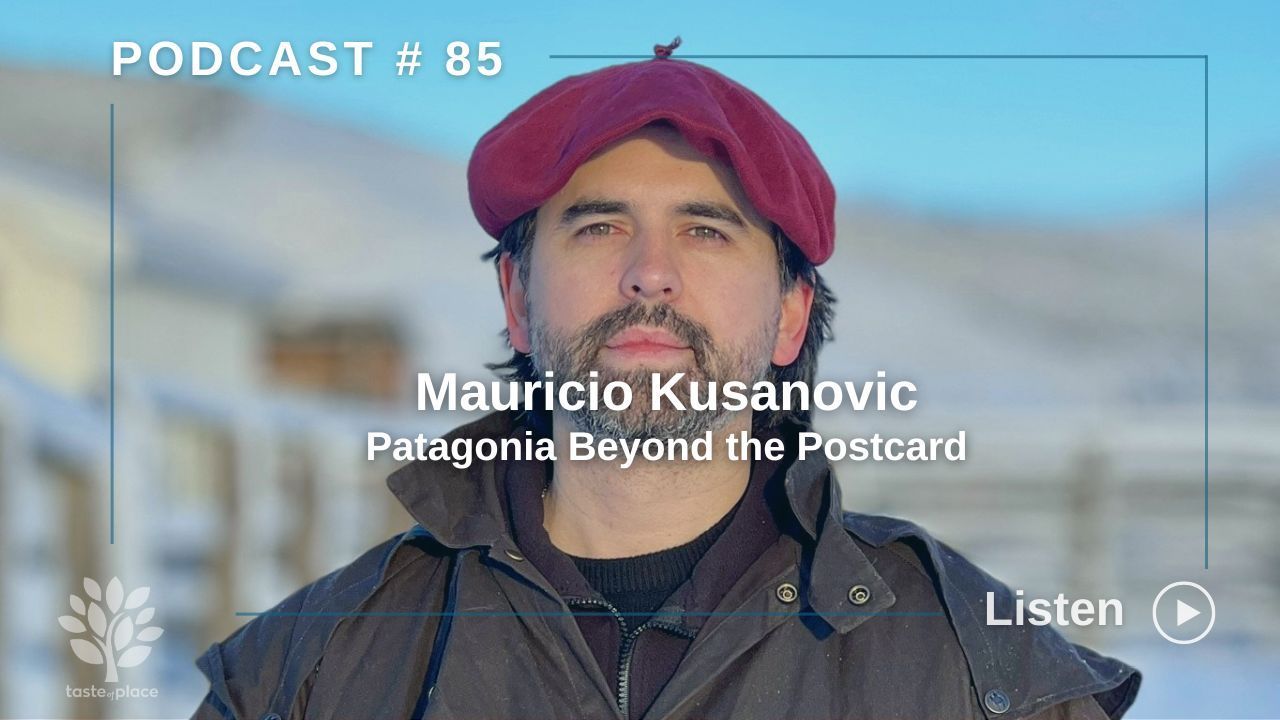
Mauricio Kusanovic in Patagonia; podcast promotion.
6 February 2026
In this episode of the Taste of Place Podcast, we travel to Chilean Patagonia with Mauricio Kusanovic, a tourism and conservation leader based in Puerto Natales, the gateway to Torres del Paine National Park. Mauricio shares how his family’s legacy in cattle ranching and early tourism has evolved into a model that integrates conservation, regenerative farming, and culinary identity. The conversation explores how food culture, from Patagonian lamb to cold-water seafood, plays a meaningful role in destination identity, community pride, and environmental stewardship. This episode offers thoughtful insight into destination management, sustainable growth, and why better tourism, not more tourism, is essential for places that remain truly wild. Listen here or on any podcast player (search for "Taste of Place Podcast").
6 February 2026
The body content of your post goes here. To edit this text, click on it and delete this default text and start typing your own or paste your own from a different source.
5 February 2026
Taste of Place is built on a simple but often overlooked truth: culinary heritage does not protect itself. It survives because individuals choose to care for it, defend it, and pass it forward, often quietly, often without recognition. Around the world, traditional foodways are under pressure from standardization, economic shortcuts, and the gradual erosion of local knowledge. The Guardian initiative exists to acknowledge those who actively stand in that space of responsibility, not as figureheads, but as stewards of place-based culinary culture. Guardians help ensure that Taste of Place remains grounded in real people, real practices, and real commitments, anchoring the movement in lived experience rather than abstraction. It is in this spirit of stewardship and long-term commitment to place that we welcome our second Taste of Place Guardian. Kacie Morgan has spent more than a decade telling the story of Wales through food. What began in 2010 as a Welsh food and travel blog, created to build her writing portfolio after graduating from Cardiff University with a degree in journalism, has grown into The Rare Welsh Bit, a multi-award-winning platform dedicated to food-led travel and place-based storytelling. Based in Cardiff, Kacie’s work consistently places Wales at the centre of the narrative while engaging thoughtfully with global cuisines and destinations. A member of the Guild of Food Writers, she contributes to national and international publications including olive, Sainsbury’s Magazine, Co-op Food Mag, Food52, Visit Wales, and Cardiff Life, with features appearing on the BBC, Metro, and National Geographic Traveller. Her role as a champion of local culture was recently recognised at a Pride in Place reception at 10 Downing Street, and through Cardiff University’s alumni awards. As a Big Ideas Wales Role Model, she also works with Business Wales and the Welsh Government to deliver entrepreneurial talks in schools and universities across Wales, and has served as a judge for the Welsh Street Food Awards for four consecutive years. Beyond Wales, Kacie has spoken at international conferences on food and tourism and has been recognised globally for her work, including being named Blogger of the Year by the Grenada Tourism Authority for her coverage of the Grenada Chocolate Festival. Whether exploring traditional Tunisian cuisine in North Africa or travelling by flavour from her own kitchen, her work reflects a deep respect for culinary heritage, lived experience, and the power of food to express identity and place. You can learn more about her and meet Kacie on LinkedIn here or on Instagram . Learn more about our new Taste of Place Movement and how you can support it and the work done by Kacie and others like her.
11 January 2026
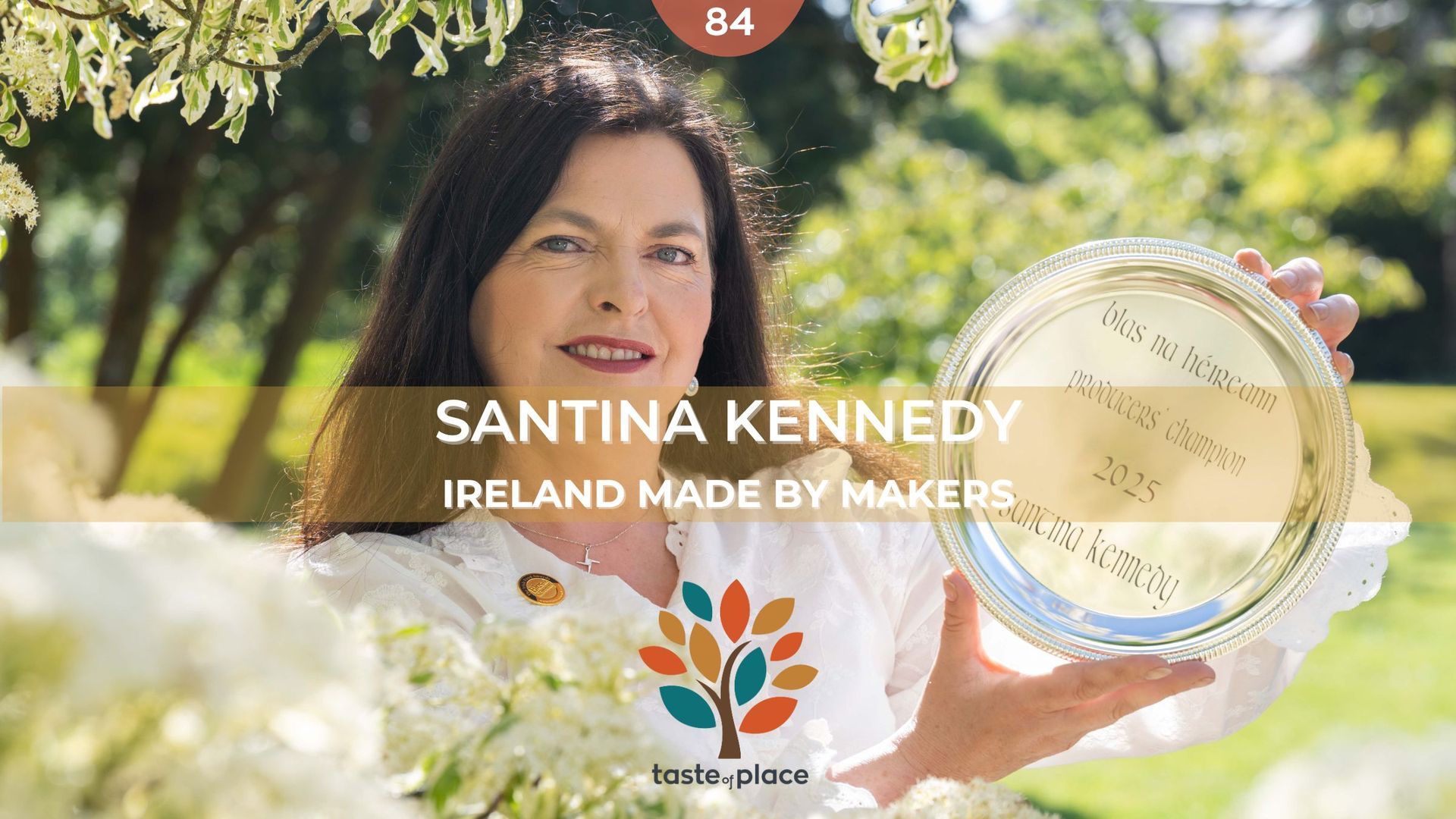
In this episode, Erik Wolf speaks with Santina Kennedy, an award-winning Irish food consultant, producer champion, and storyteller whose work bridges food history, culture, and contemporary experience design. Santina shares her unconventional journey from banking to café ownership, and ultimately to a vocation that did not exist when she was young: interpreting Irish food culture through storytelling, events, and strategic collaborations. She reflects candidly on delayed purpose, entrepreneurship without capital, and why genuine hospitality matters more than polish or scale. The conversation explores Ireland’s overlooked food narratives - from tenant farmers and kitchen workers to everyday staples like potatoes, butter, and bread - and how these stories can be brought to life through immersive experiences in galleries, estates, and public institutions. Santina also dives deeply into Irish whiskey, explaining how history, resilience, terroir, and innovation are expressed in mash bills, grains, and pairing traditions. A standout theme is Santina’s advocacy for St. Brigid as Ireland’s original food and hospitality patron, and her work elevating Brigid’s legacy through food, drink, poetry, and craft. The episode concludes with a thoughtful discussion on regional food networks, particularly County Wicklow, and why Ireland must first teach its own people to value their food culture before expecting visitors to understand it. This is a rich, reflective conversation about identity, resilience, and the power of food to tell the true story of a place. You can learn more about Santina here . The Taste of Place podcast is sponsored by the World Food Travel Association’s Taste of Place movement. Taste of Place is a global initiative that celebrates culinary culture, food heritage, and the makers behind them. Through the movement, travelers and consumers are encouraged to connect more deeply with destinations and products through their unique flavors and traditions. Learn more at JoinTasteofPlace.org . 🎙️ Available now on Spotify, iTunes & your favorite podcast platforms (Search for "Taste of Place") 📺 Prefer video? Watch it now on our YouTube channel . Or listen here now:
5 January 2026
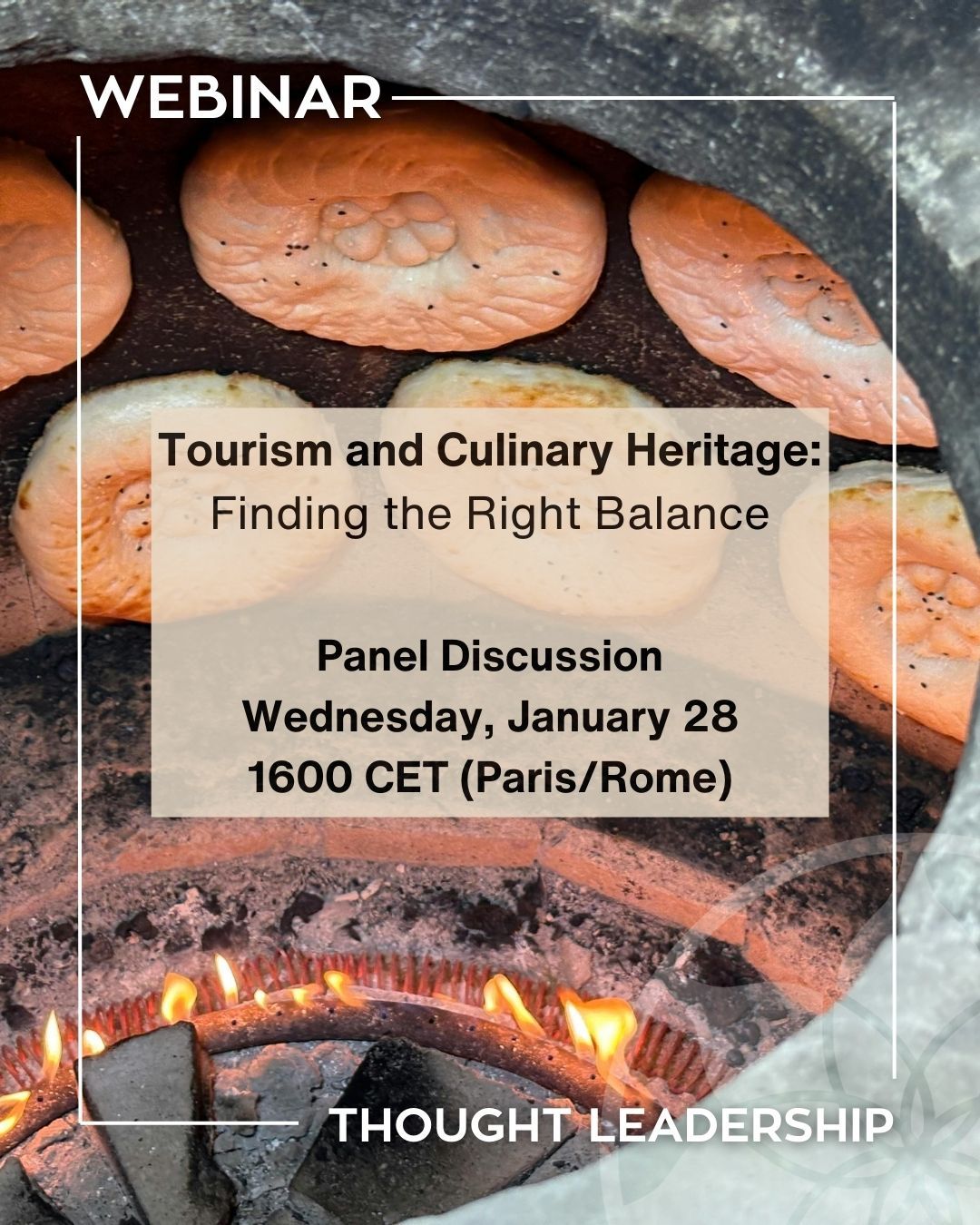
REGISTER NOW As interest in local food cultures continues to grow, destinations face increasingly complex choices. Tourism can support culinary heritage by strengthening local economies and raising awareness of food traditions. At the same time, poorly managed promotion can simplify, commodify, or distort cultural practices. This webinar brings together perspectives from across the system to examine how tourism and culinary heritage can coexist more responsibly. Panelists: - Janice Ruddock, Executive Director, Ontario Craft Brewers Association - Sean O’Rourke, President, Eat & Walkabout Tours - Niclas Fjellström, Executive Director, Culinary Heritage Network - Erik Wolf, Executive Director, World Food Travel Association The discussion will be moderated by Marc Checkley, a Lausanne-based storyteller, journalist, and experienced event host with a background in food, wine, travel, and cultural programming. Topics include: Recognizing culinary heritage as living culture rather than a static product Understanding how tourism and markets influence tradition over time Identifying where destinations most often struggle to find balance Applying practical principles for responsible promotion and stewardship This session is relevant for destination marketers, tourism offices, policymakers, producer associations, educators, and anyone working at the intersection of food, culture, and place. There is no cost to attend. REGISTER NOW
by Erik Wolf 1 January 2026
In 2025, the World Food Travel Association focused on strengthening culinary culture as living heritage, supporting the people and practices that sustain it, and building informed global collaboration rooted in values rather than prestige. Advanced the Taste of Place Movement and Alliance We clarified and communicated the purpose of the Taste of Place Movement — a global effort dedicated to safeguarding culinary heritage and empowering the keepers of food culture in alignment with the Declaration for the Preservation of Culinary Heritage . The Taste of Place Alliance framework was defined to support destinations, organizations, and practitioners who share these values. We also invite those who support this mission to join the Movement through philanthropic contributions. Do you represent a destination? Please contact us to learn how your destination can participate. Delivered Strategic Advisory and Destination Engagement Work We conducted destination-level analysis and advisory engagement in diverse regions, including the Bothnian Bay area of Sweden and Finland and with Saudi Arabia’s Culinary Arts Commission , to help partners explore how food culture, regional identity, and cooperation can contribute to responsible cultural and economic resilience. Updated Professional Training Programs All certification and training programs were updated with current research, terminology, and real-world cases. Regular refresh cycles ensure that practitioners receive instruction that reflects the most accurate and relevant information available. Built Relationships Through Targeted Engagement We engaged directly with destinations, stakeholders, and partners through site visits and industry events, including exploratory meetings in Umbria, Italy and participation in World Travel Market , to listen, assess alignment, and foster partnerships grounded in cultural integrity. Expanded and Recognized Leadership Within Our Global Network In 2025 we welcomed new Ambassadors from diverse regions, including Chef Dela Acolatse ( Ghana ) and Gerald Kock ( Aruba ), and named Mabel Esther Vega Montaño ( Colombia ) as our first Taste of Place Guardian, recognizing her lifelong commitment to ancestral knowledge and rural food culture. These appointments reinforce our values as articulated in the Declaration for the Preservation of Culinary Heritage. Interested in becoming an Ambassador or Guardian in your area? If you share our values and commitment, please get in touch . Honored Outstanding Contributions to the Field We awarded the 2025 Lifetime Achievement Award to Francesc Fusté-Forné (Girona, Spain) in recognition of his distinguished career advancing food tourism research, education, and understanding of culinary culture. We also invited the community to nominate other individuals whose work has made enduring contributions to our field. Provided Global Advocacy Through Editorial and Media Platforms We continued to interpret and elevate global developments in newsletters and digital content, and through the Taste of Place Podcast , which released 11 episodes in 2025 featuring inspiring leaders. Notable episodes included “Peace Through Food” with Paula Mohammed, “The Sweet Taste of Ethics” featuring Veronica Peralta on ethical chocolate, and “From Tunisia With Flavor” with Jamie Furniss on repositioning Tunisian cuisine for travelers. By sharing these conversations, we reinforced food as cultural heritage and connected listeners with makers and culture bearers.
More posts