Le forme del gusto seconda parte

26 March 2021
gusto

Settimana scorsa dopo aver scritto su alcuni aspetti teorici riguardanti le forme del gusto, ed essermi informato tra tra vari articoli, video e l’immancabile cioccolato, ho pensato e sentito il bisogno di uscire da casa e mettere in pratica ciò che ho imparato.

All’inizio il mio pensiero è tornato alla regione italiana in cui sono cresciuto. Probabilmente è stata la cioccolata a farmi pensare inconsciamente al Piemonte ed alla città, Torino, in cui ho vissuto per molti anni. Queste zone sono ricche di tradizioni culinarie e ingredienti eccezionali, l’essenza culinaria di Torino si trova nei suoi numerosi mercati di quartiere. Tra tutte le eccellenti materie prime come il tartufo bianco, le nocciole, il Cardo gobbo, il topinambur, il Peperone di Carmagnola, barbabietole al forno incredibilmente dolci, riso, uva, cantine vitivinicole, vermouth… e potrei andare avanti con tanti altri prodotti regionali,  si finisce per per ritrovare anche una grande tradizione di cioccolateria. La più famosa è sicuramente l’azienda Ferrero e la ancor più famosa Nutella: ma a noi, viaggiatori amanti del cibo, non piace la massificazione e viaggiare a Torino per mangiare una crêpe alla nutella (mentirei dicendo che questo tipo di attività  non esiste nella mia città natale) non ha nulla a che fare con la qualità e l’unicità (non fraintendetemi, adoro la Nutella) e sarebbe un un’esperienza disastrosa. Il mio consiglio quindi è di provare l’incredibile Giandujotto di Guido Gobino , di recarvi in ​​questa città si reale, ma anche con tradizioni umili e patriottiche, per partecipare alla fiera Cioccolatò , percorrere i 18 km di Portici sfogliando qualche libro, dare una rapida occhiata ai negozi, alle gallerie d’arte e infine sedersi in uno dei caffè storici a sorseggiare un Bicerin e degustandolo insieme ad una preziosa piccola pasticceria.

Ovviamente, quando questa pandemia sarà finita, permettendoci di viaggiare di nuovo.

Sì, penso sia proprio giunto il momento di ritrovare la serenità per tornare a viaggiare. Tuttavia, preferisco pensare positivo e trovare opportunità per vivere il turismo a livello locale. Personalmente credo che il cibo abbia questa caratteristica speciale, quasi magica, di creare ricordi più profondi anche delle fotografie. Questa volta invece del  vostro naso vi invito a prendere un pezzo di cioccolato, chiudere gli occhi e lasciare che i vostri pensieri volino via.

È quello che ho fatto: ho messo da parte la nostalgia e sono andato ad assaggiare uno dei migliori cioccolati della mia vita. In effetti, sono fortunato ad avere Casa Cacao a soli cinque minuti a piedi da dove abito. Questa volta non ero solo e sono andato con uno dei migliori chef con cui ho lavorato e ora mio caro amico, a fare un piccolo menù degustazione di alcune barrette di cioccolato selezionate, prodotte proprio lì nella loro fabbrica di cioccolato. Si è rivelata un’esperienza strabiliante e con l’aiuto dello chef chocolatier, Damian Allsop, siamo riusciti a volare verso luoghi incredibili come la foresta di Keithapara in India e Cacahostán, in Chiapas, Messico. Solo ascoltando le sue appassionate e accurate descrizioni, abbiamo scoperto un mondo nuovo pieno di nuovi sapori e nuovi aromi. All’inizio la mia idea era di fare una degustazione senza informazioni a priori e cercare di capire da solo le specifiche di ogni cioccolato, ma la travolgente passione di Damian e la sua gran gentilezza non potevano essere fermate. Probabilmente è andata meglio così, perché abbiamo imparato proprio tanto su questo ingrediente divino.

Ad esempio, il cacao riflette perfettamente l’idea del triangolo culinario di Lévi-Strauss. Come ci ha spiegato Damian, c’è un processo di quattro passaggi per trasformare le fave di cacao nell’ingrediente principale di una tavoletta d’autore. Ogni passaggio funziona come una lente d’ingrandimento e ha un enorme impatto sul prodotto finale, a seconda del processo di produzione. Il primo passo riguarda la varietà del frutto che varia dal terroir e la composizione genetica del baccello di cacao. Quindi per esaltare i sapori delle fave dobbiamo padroneggiare ad arte la fermentazione, quindi l’essiccazione e infine i processi di tostatura. Ancora una volta il crudo, il cotto e il fermentato nella produzione alimentare hanno un ruolo davvero importante per le decisioni consce ed anche inconsce che i professionisti devono prendere per raggiungere perfettamente i livelli del gusto considerati appetibili.

Inoltre, l’esperienza a Casa Cacao in un certo senso ha confermato la mia convinzione che il gusto non è necessariamente quello che pensiamo. A un certo punto della spiegazione Damian ha menzionato la funzione dello zucchero che è la porta dei sapori del cioccolato. Quando sperimentiamo il cibo penso che il gusto reale scompaia all’istante perché il nostro cervello è costantemente alla ricerca di un confronto per descrivere ciò che stiamo mangiando, rendendo ciò che consideriamo un sapore (dolce, salato, ecc.) un semplice amplificatore dello stimolo che ogni ingrediente ha nel suo background. Un’altra parte della spiegazione di Damian è il modo di apprezzare al meglio il cioccolato, e ancora una volta è importante il mangiare Slow per dare il giusto tempo per assaporare le note aromatiche alte, medie e basse di ogni cibo. Come se fosse un profumo costoso, il primo sapore di cioccolato  scaturisce in pochi secondi, dandoci quell’incantevole sensazione di piacere. Poi, per alcuni minuti, ci sarà un appassionata ed estatica scoperta dell’intera gamma di sapori che colpirà il nostro palato. Ma è solo il retrogusto che ci inseguirà per il resto della giornata, lasciando delle labbra vellutate, pensieri meravigliosi e, nel mio caso, un battito cardiaco accelerato che non mi ha permesso di dormire fino a tarda notte. Consiglio vivamente di mangiare in modo responsabile, per non far diventare il cioccolato nocivo alla salute.Infine, la scorsa settimana ho iniziato dicendo che il gusto è facile, ma dopo poche righe era chiaro di avere a che fare con un mondo complesso. Mettendo in discussione le funzioni del gusto, pongo ancora una volta l’attenzione sull’olfatto, su cui scrissi con tanto entusiasmo, considerandolo il senso meno studiato e più trascurato. Tuttavia, analizzando il gusto un pò più da vicino, potrei essermi sbagliato. Sono d’accordo che dare delle priorità e concentrarsi solo su un senso può mettere a repentaglio l’intera esperienza, ma sapere come funziona ci potrebbe dare una migliore comprensione di ciò che mettiamo in bocca. La mia convinzione è che la conoscenza del gusto debba andare molto oltre un semplice elenco di cinque amplificatori di sapore. Infatti la mia collega Rosanna ha evidenziato la possibile esistenza di un sesto gusto , e chissà quanti altri ce ne siano in natura. Inoltre sarebbe interessante approfondire come l’accostamento dei sapori (escludendo gli altri sensi) possa creare un piatto memorabile, associando ad esempio dolce, salato e amaro a un determinato tipo di cioccolato. Infine e probabilmente il lavoro più impegnativo, sarebbe scoprire l’inconscio e portare in superficie la conoscenza nascosta che si trova tutt’intorno e dentro di noi, rendendoci tutti migliori ambasciatori delle culture gastronomiche mondiali.

2a Parte di un articolo in due parti. ( vedi la prima parte ).

Scritto da Massimo Bonmassari.
Promotion for culinary capitals an innovative destination certification and development program for unknown destinations
Taste of place podcast listen to our culinary travel and culture podcast with erik wolf
Food
A membership page with a picture of pancakes on a plate.
11 January 2026
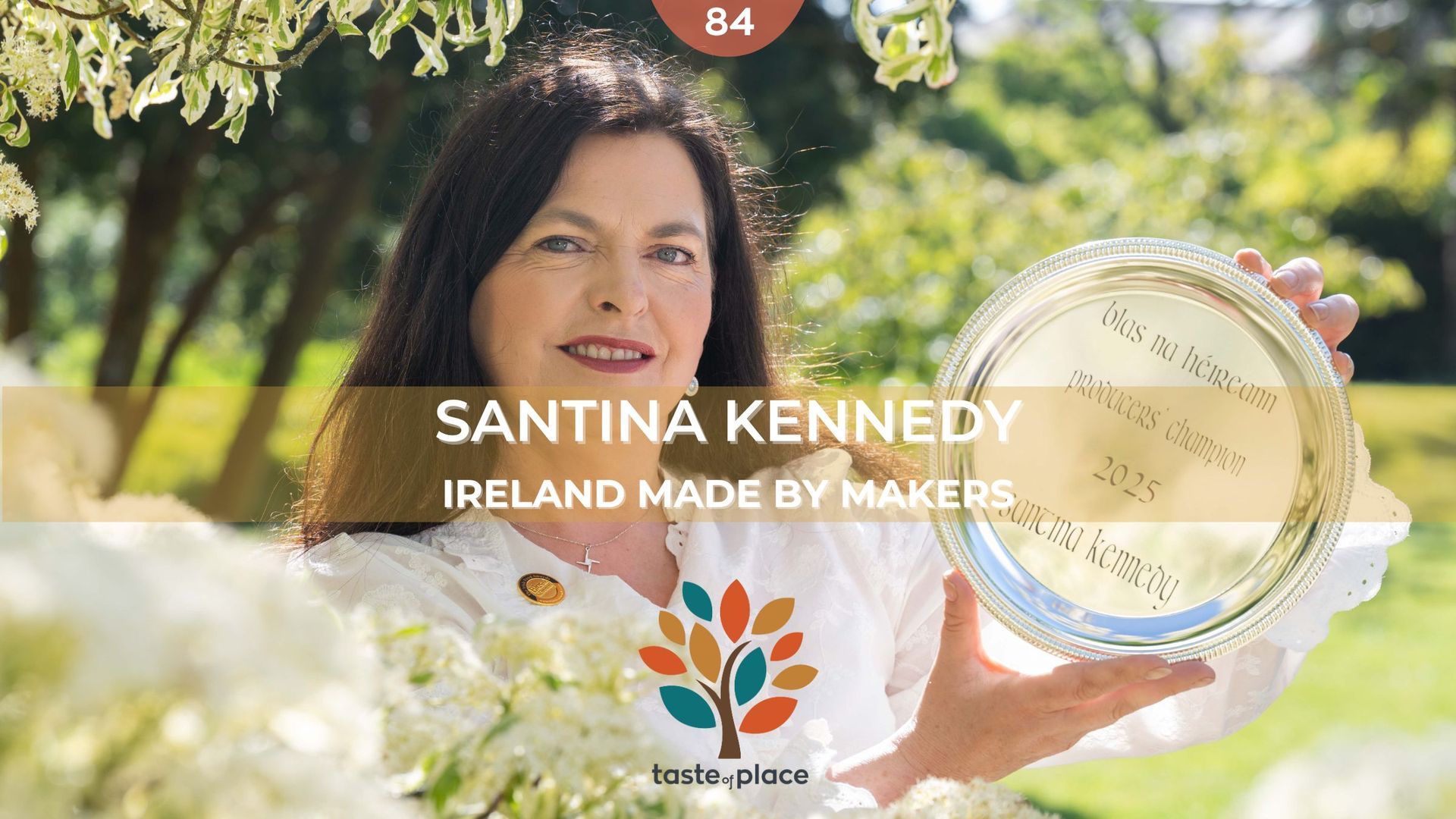
In this episode, Erik Wolf speaks with Santina Kennedy, an award-winning Irish food consultant, producer champion, and storyteller whose work bridges food history, culture, and contemporary experience design. Santina shares her unconventional journey from banking to café ownership, and ultimately to a vocation that did not exist when she was young: interpreting Irish food culture through storytelling, events, and strategic collaborations. She reflects candidly on delayed purpose, entrepreneurship without capital, and why genuine hospitality matters more than polish or scale. The conversation explores Ireland’s overlooked food narratives - from tenant farmers and kitchen workers to everyday staples like potatoes, butter, and bread - and how these stories can be brought to life through immersive experiences in galleries, estates, and public institutions. Santina also dives deeply into Irish whiskey, explaining how history, resilience, terroir, and innovation are expressed in mash bills, grains, and pairing traditions. A standout theme is Santina’s advocacy for St. Brigid as Ireland’s original food and hospitality patron, and her work elevating Brigid’s legacy through food, drink, poetry, and craft. The episode concludes with a thoughtful discussion on regional food networks, particularly County Wicklow, and why Ireland must first teach its own people to value their food culture before expecting visitors to understand it. This is a rich, reflective conversation about identity, resilience, and the power of food to tell the true story of a place. You can learn more about Santina here . The Taste of Place podcast is sponsored by the World Food Travel Association’s Taste of Place movement. Taste of Place is a global initiative that celebrates culinary culture, food heritage, and the makers behind them. Through the movement, travelers and consumers are encouraged to connect more deeply with destinations and products through their unique flavors and traditions. Learn more at JoinTasteofPlace.org . 🎙️ Available now on Spotify, iTunes & your favorite podcast platforms (Search for "Taste of Place") 📺 Prefer video? Watch it now on our YouTube channel . Or listen here now:
5 January 2026
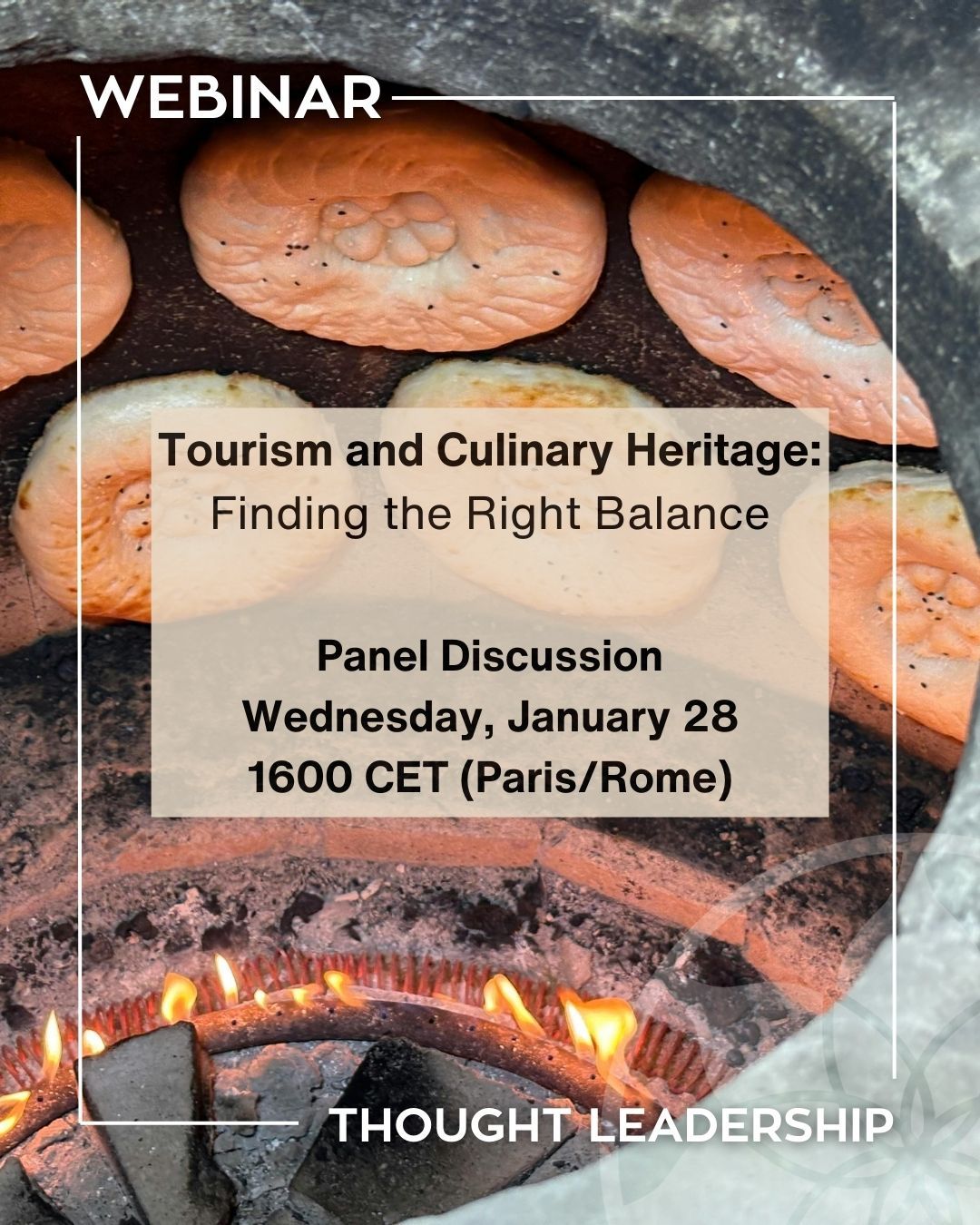
REGISTER NOW As interest in local food cultures continues to grow, destinations face increasingly complex choices. Tourism can support culinary heritage by strengthening local economies and raising awareness of food traditions. At the same time, poorly managed promotion can simplify, commodify, or distort cultural practices. This webinar brings together perspectives from across the system to examine how tourism and culinary heritage can coexist more responsibly. Panelists: - Janice Ruddock, Executive Director, Ontario Craft Brewers Association - Sean O’Rourke, President, Eat & Walkabout Tours - Niclas Fjellström, Executive Director, Culinary Heritage Network - Erik Wolf, Executive Director, World Food Travel Association The discussion will be moderated by Marc Checkley, a Lausanne-based storyteller, journalist, and experienced event host with a background in food, wine, travel, and cultural programming. Topics include: Recognizing culinary heritage as living culture rather than a static product Understanding how tourism and markets influence tradition over time Identifying where destinations most often struggle to find balance Applying practical principles for responsible promotion and stewardship This session is relevant for destination marketers, tourism offices, policymakers, producer associations, educators, and anyone working at the intersection of food, culture, and place. There is no cost to attend. REGISTER NOW
by Erik Wolf 1 January 2026
In 2025, the World Food Travel Association focused on strengthening culinary culture as living heritage, supporting the people and practices that sustain it, and building informed global collaboration rooted in values rather than prestige. Advanced the Taste of Place Movement and Alliance We clarified and communicated the purpose of the Taste of Place Movement — a global effort dedicated to safeguarding culinary heritage and empowering the keepers of food culture in alignment with the Declaration for the Preservation of Culinary Heritage . The Taste of Place Alliance framework was defined to support destinations, organizations, and practitioners who share these values. We also invite those who support this mission to join the Movement through philanthropic contributions. Do you represent a destination? Please contact us to learn how your destination can participate. Delivered Strategic Advisory and Destination Engagement Work We conducted destination-level analysis and advisory engagement in diverse regions, including the Bothnian Bay area of Sweden and Finland and with Saudi Arabia’s Culinary Arts Commission , to help partners explore how food culture, regional identity, and cooperation can contribute to responsible cultural and economic resilience. Updated Professional Training Programs All certification and training programs were updated with current research, terminology, and real-world cases. Regular refresh cycles ensure that practitioners receive instruction that reflects the most accurate and relevant information available. Built Relationships Through Targeted Engagement We engaged directly with destinations, stakeholders, and partners through site visits and industry events, including exploratory meetings in Umbria, Italy and participation in World Travel Market , to listen, assess alignment, and foster partnerships grounded in cultural integrity. Expanded and Recognized Leadership Within Our Global Network In 2025 we welcomed new Ambassadors from diverse regions, including Chef Dela Acolatse ( Ghana ) and Gerald Kock ( Aruba ), and named Mabel Esther Vega Montaño ( Colombia ) as our first Taste of Place Guardian, recognizing her lifelong commitment to ancestral knowledge and rural food culture. These appointments reinforce our values as articulated in the Declaration for the Preservation of Culinary Heritage. Interested in becoming an Ambassador or Guardian in your area? If you share our values and commitment, please get in touch . Honored Outstanding Contributions to the Field We awarded the 2025 Lifetime Achievement Award to Francesc Fusté-Forné (Girona, Spain) in recognition of his distinguished career advancing food tourism research, education, and understanding of culinary culture. We also invited the community to nominate other individuals whose work has made enduring contributions to our field. Provided Global Advocacy Through Editorial and Media Platforms We continued to interpret and elevate global developments in newsletters and digital content, and through the Taste of Place Podcast , which released 11 episodes in 2025 featuring inspiring leaders. Notable episodes included “Peace Through Food” with Paula Mohammed, “The Sweet Taste of Ethics” featuring Veronica Peralta on ethical chocolate, and “From Tunisia With Flavor” with Jamie Furniss on repositioning Tunisian cuisine for travelers. By sharing these conversations, we reinforced food as cultural heritage and connected listeners with makers and culture bearers.
31 December 2025
🎧 New Podcast Episode Alert! Episode 83: “Why Artisanal Still Matters” featuring Heike Winter What happens when you completely reinvent your life at 50—and return to the culinary traditions that shaped you? In Episode 82, host Erik Wolf speaks with Daniela Sfara, the Canadian-Italian chef, cultural ambassador, and founder of ITALUS whose mission is to preserve the disappearing regional foodways of Italy. Daniela shares her extraordinary personal transformation from a 20-year jewellery career to becoming a respected voice in culinary culture, hospitality excellence, and immersive food experiences across Italy, Dubai, Europe, and North America. Daniela’s story is one of resilience, reinvention, and deep cultural stewardship. Whether you work in food, tourism, hospitality, or simply love Italian cuisine, this is an inspiring reminder that food is identity, and preserving culinary heritage is an act of service to future generations. 🎙️ Available now on Spotify, iTunes & your favorite podcast platforms (Search for "Taste of Place") 📺 Prefer video? Watch it now on our YouTube channel. Or listen here now:
Road stretching towards the setting sun. Golden sky, open fields.
31 December 2025
ARUBA (Gerald Kock) Savaneta Seafood Festival: A Model for Community-Led Food Touri sm in Aruba The inaugural Savaneta Seafood Festival, held on September 28, 2025, by Fundación Savaneta Prome Capital, marked a significant moment in Aruba’s culinary and cultural calendar. In the island’s first capital, seaside streets were transformed into a pedestrian-only celebration where food, music, and heritage came together as a powerful expression of local identity. Attracting an estimated 6,000 visitors, the festival demonstrated strong demand for authentic, community-driven experiences among both residents and travelers. Central to the event was an “Ocean-to-Plate” revival. Twenty-four local vendors showcased seafood such as snails, conch, shrimp, and lobster, prepared using traditional family recipes and fresh local herbs. The festival also revived a local fishing tournament for the first time in 40 years. Approximately 30 boats and 100 fishermen landed a collective catch of 880 kg, reinforcing the connection between sea, community, and tradition. Part of the catch was donated and grilled on-site by local chefs, allowing visitors to experience the full journey from ocean to plate - a powerful symbol of sustainability, generosity, and shared pride. Beyond gastronomy, the festival elevated local culture and entrepreneurship through art, crafts, and music, positioning Savaneta as a living example of how cultural heritage and economic opportunity can thrive together. From the perspective of Food Tourism Ambassadors for the World Food Travel Association, the festival offers a replicable framework for Aruba’s future: a model in which each district expresses its distinct identity through food, storytelling, and place-based experiences. The Savaneta Seafood Festival stands as proof that culinary heritage can strengthen community resilience and support sustainable tourism. More than a single event, it presents a compelling vision of how small places can achieve meaningful global impact through food.
14 December 2025
🎧 New Podcast Episode Alert! Episode 82: “Cooking by Heart, Not by Recipe” featuring Daniela Sfara What happens when you completely reinvent your life at 50—and return to the culinary traditions that shaped you? In Episode 82, host Erik Wolf speaks with Daniela Sfara, the Canadian-Italian chef, cultural ambassador, and founder of ITALUS whose mission is to preserve the disappearing regional foodways of Italy. Daniela shares her extraordinary personal transformation from a 20-year jewellery career to becoming a respected voice in culinary culture, hospitality excellence, and immersive food experiences across Italy, Dubai, Europe, and North America. Daniela’s story is one of resilience, reinvention, and deep cultural stewardship. Whether you work in food, tourism, hospitality, or simply love Italian cuisine, this is an inspiring reminder that food is identity, and preserving culinary heritage is an act of service to future generations. 🎙️ Available now on Spotify, iTunes & your favorite podcast platforms (Search for "Taste of Place") 📺 Prefer video? Watch it now on our YouTube channel. Or listen here now:
More posts