Colombia as a future gastronomic tourism powerhouse [Part 2]
15 September 2022
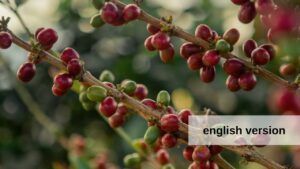
A bunch of coffee beans are growing on a tree branch

Last week we discussed the progress Colombia has made in recent years in the gastronomic tourism industry. Today we dig a little deeper to learn about some of the elements that make up this culinary landscape.

To illustrate the first case, according to the National Federation of Coffee Growers, 22 of Colombia’s 32 departments are coffee producers. This in terms of gastronomic tourism can represent an opportunity for decentralization of tourism for less visited territories to the main cities such as Cartagena, Santa Marta, Medellin, Bogota or Cali. Coffee cultivation represents 25% of agricultural employment in the country, which translates into some 730,000 direct jobs. These figures could be much higher if we begin to look at the sector as a tourist resource that allows the coffee growing populations to stay in their territories and dedicate themselves to the work that they know how to do, generating new social dynamics and income from the creation of the coffee tourism offering.

The Colombian Coffee Cultural Landscape is a UNESCO Cultural Heritage since 2011. In Quindío, one of the main departments of the Coffee Axis, there are 7 theme parks, some specialized in this beverage and its production; there are also different tourist coffee farms, routes focused on panela and coffee, some 200 specialized gastronomic stores and 26,000 beds available for visitors according to the Chamber of Commerce of Armenia. While it is true that a more accurate measurement of the supply of tourism products focused on coffee is missing, it is possible to assert the enormous potential of gastronomic tourism that the zone represents, above all due to the worldwide popularity of this beverage.

On the other hand, if we talk about a product such as cacao, the horizons expand towards more opportunities. Colombian cacao has won different international recognitions, one of them by the Salon du Chocolat de Paris in its 2021 version. This fruit is also grown in different Colombian departments such as Arauca, Chocó, Antioquia, Nariño, Huila, Tolima and Santander. This also offers the possibility of creating special routes, experiences, lodging, gastronomic stores, tastings, etc., focused on this product. Although there is currently an existing offer, the same is true as with coffee: more figures, measurements, organization and promotion are needed. Moreover, the National Federation of Cocoa Growers announced that in 2021 it reached a record figure in production of this fruit with 69,040 tons, which indicates that the industry as such is also growing. The potential exists and we must take advantage of it as soon as possible.

Now, if we move on to fruits, Colombia is the ninth largest supplier of exotic fruits worldwide. This can be illustrated in terms of gastronomic tourism by searching the words “fruit tour Colombia” and marveling at the number of results that search engines throw up. Important gastronomic markets such as Paloquemao in Bogota or the Plaza Minorista in Medellin have become the scene of fruit tastings that amaze visitors precisely because of the country’s biodiversity. These are interesting dynamics as they expand the activities and income of markets that have been strictly limited to the commercialization of foodstuffs for years and that find in tourism a new opportunity. It is important to make it clear once again that there are still no official figures for these activities, and they are really necessary to measure and consolidate a gastronomic tourism sector in Colombia.

If we focus on a product such as the arepa, an ancestral corn-based mix with different variations, we are faced with a preparation that is easy to replicate and adapt to everyone. According to Colombian chef Carlos Gaviria Arbeláez, author of the book Colombian Arepas: Professional Cooking Techniques, there are about 70 types of arepas, not counting variations from other countries such as Venezuela. This preparation responds to a transversality referring to different times of the day, socioeconomic level, tastes and diets that give it a lot of potential in terms of gastronomic tourism. Likewise, its variations lend themselves to involve different regions of the country, create arepa routes, talk about identity, culture and national history and transport it to other international environments.

Finally, although it is clear that gastronomic tourism goes far beyond the restaurant sector, we know that it is an important part of the tourist heritage of a region. In these terms, Colombia’s gastronomic progress can be reasserted if we take into account lists such as The World’s 50 Best 2021, which listed the 100 best restaurants in Latin America, of which ten are Colombian restaurants. Names such as Leonor Espinoza, Harry Sasson, Juan Manuel Barrientos or Álvaro Clavijo are increasingly resonating on the world gastronomic scene, and although they are not within everyone’s reach, they undoubtedly contribute to the shaping and positioning of Colombia as a gastronomic tourism destination.

The figures, the scenario and the projections are positive. The potential, the manpower and the ideas are latent. Undoubtedly it is necessary to formalize the sector, to have more public investment, tourism infrastructure, offer of private entities and much more, but the words of Juliana Duque resonate again, Colombia is in the gluttonous eyes of the planet.
Promotion for culinary capitals an innovative destination certification and development program for unknown destinations
Taste of place podcast listen to our culinary travel and culture podcast with erik wolf
Food
A membership page with a picture of pancakes on a plate.
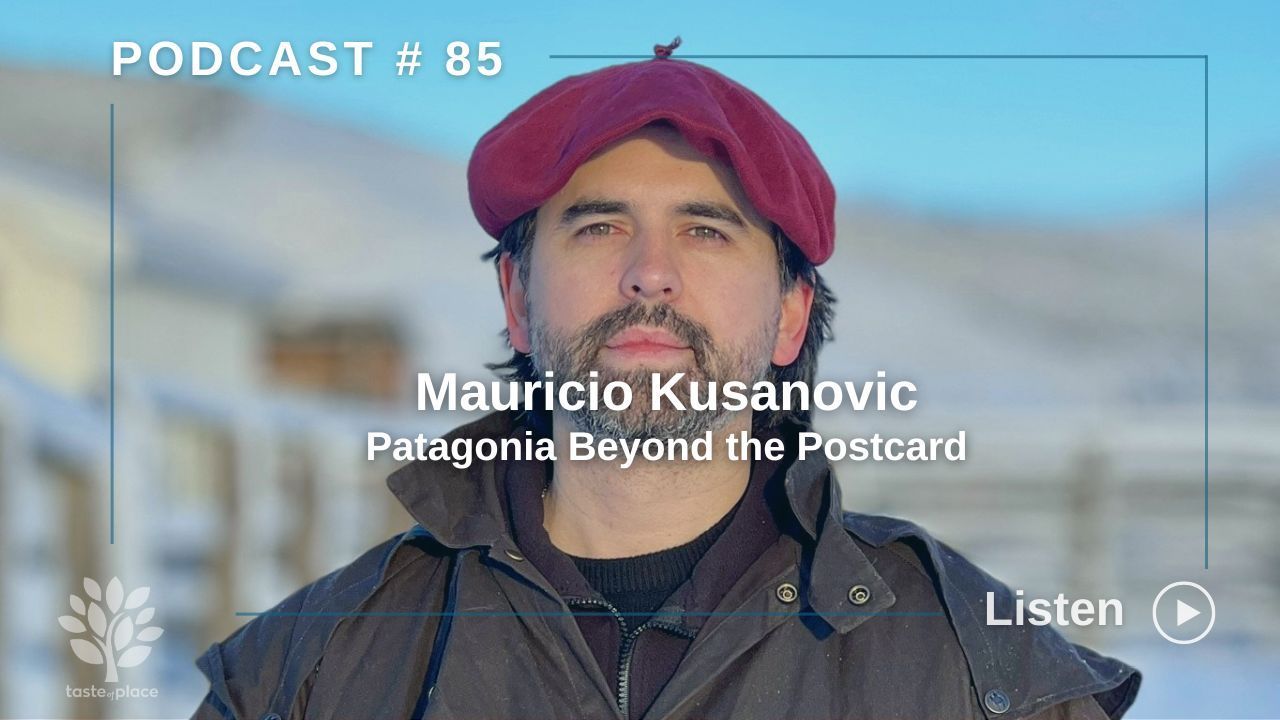
Mauricio Kusanovic in Patagonia; podcast promotion.
6 February 2026
In this episode of the Taste of Place Podcast, we travel to Chilean Patagonia with Mauricio Kusanovic, a tourism and conservation leader based in Puerto Natales, the gateway to Torres del Paine National Park. Mauricio shares how his family’s legacy in cattle ranching and early tourism has evolved into a model that integrates conservation, regenerative farming, and culinary identity. The conversation explores how food culture, from Patagonian lamb to cold-water seafood, plays a meaningful role in destination identity, community pride, and environmental stewardship. This episode offers thoughtful insight into destination management, sustainable growth, and why better tourism, not more tourism, is essential for places that remain truly wild. Listen here or on any podcast player (search for "Taste of Place Podcast").
6 February 2026
The body content of your post goes here. To edit this text, click on it and delete this default text and start typing your own or paste your own from a different source.
5 February 2026
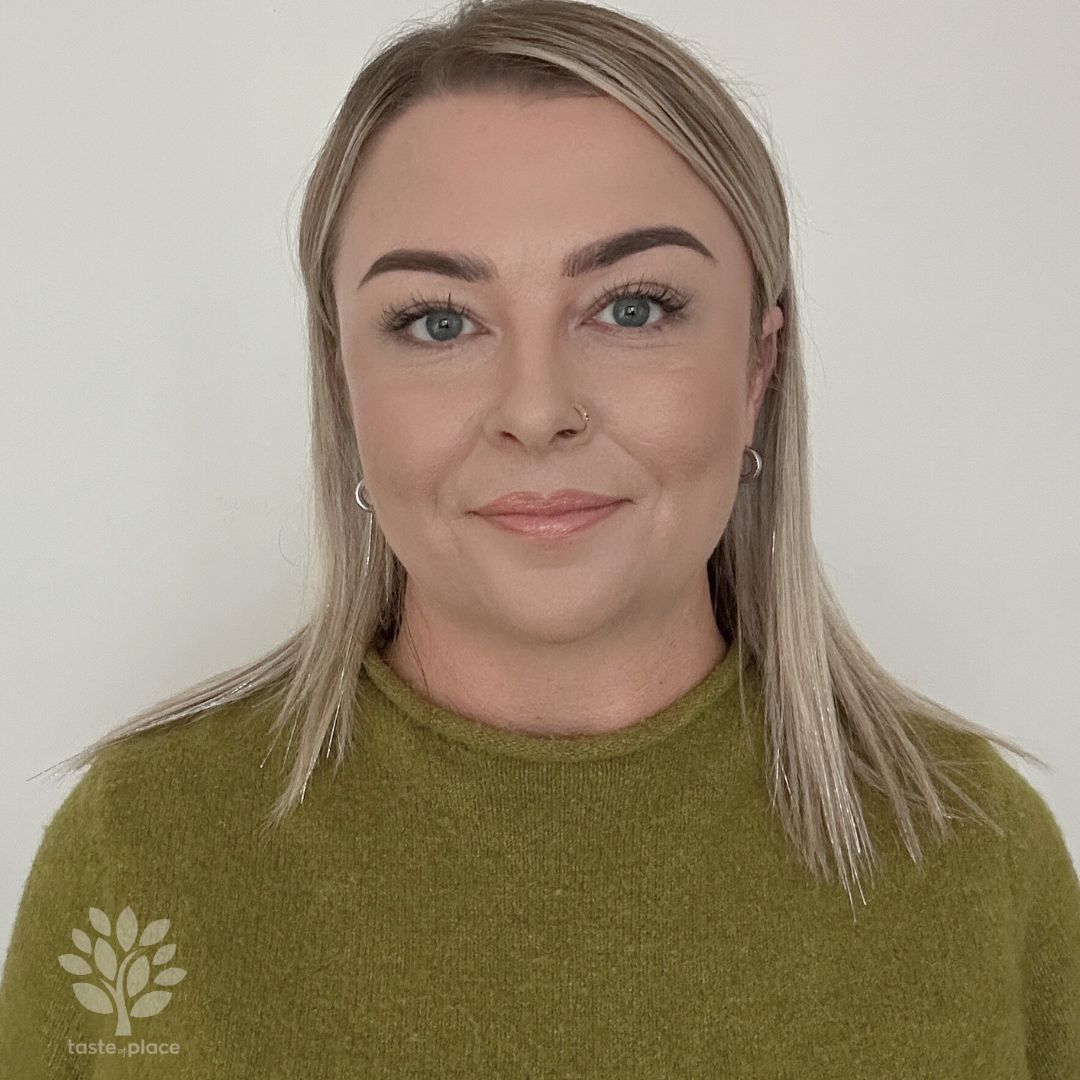
Taste of Place is built on a simple but often overlooked truth: culinary heritage does not protect itself. It survives because individuals choose to care for it, defend it, and pass it forward, often quietly, often without recognition. Around the world, traditional foodways are under pressure from standardization, economic shortcuts, and the gradual erosion of local knowledge. The Guardian initiative exists to acknowledge those who actively stand in that space of responsibility, not as figureheads, but as stewards of place-based culinary culture. Guardians help ensure that Taste of Place remains grounded in real people, real practices, and real commitments, anchoring the movement in lived experience rather than abstraction. It is in this spirit of stewardship and long-term commitment to place that we welcome our second Taste of Place Guardian. Kacie Morgan has spent more than a decade telling the story of Wales through food. What began in 2010 as a Welsh food and travel blog, created to build her writing portfolio after graduating from Cardiff University with a degree in journalism, has grown into The Rare Welsh Bit, a multi-award-winning platform dedicated to food-led travel and place-based storytelling. Based in Cardiff, Kacie’s work consistently places Wales at the centre of the narrative while engaging thoughtfully with global cuisines and destinations. A member of the Guild of Food Writers, she contributes to national and international publications including olive, Sainsbury’s Magazine, Co-op Food Mag, Food52, Visit Wales, and Cardiff Life, with features appearing on the BBC, Metro, and National Geographic Traveller. Her role as a champion of local culture was recently recognised at a Pride in Place reception at 10 Downing Street, and through Cardiff University’s alumni awards. As a Big Ideas Wales Role Model, she also works with Business Wales and the Welsh Government to deliver entrepreneurial talks in schools and universities across Wales, and has served as a judge for the Welsh Street Food Awards for four consecutive years. Beyond Wales, Kacie has spoken at international conferences on food and tourism and has been recognised globally for her work, including being named Blogger of the Year by the Grenada Tourism Authority for her coverage of the Grenada Chocolate Festival. Whether exploring traditional Tunisian cuisine in North Africa or travelling by flavour from her own kitchen, her work reflects a deep respect for culinary heritage, lived experience, and the power of food to express identity and place. You can learn more about her and meet Kacie on LinkedIn here or on Instagram . Learn more about our new Taste of Place Movement and how you can support it and the work done by Kacie and others like her.
11 January 2026
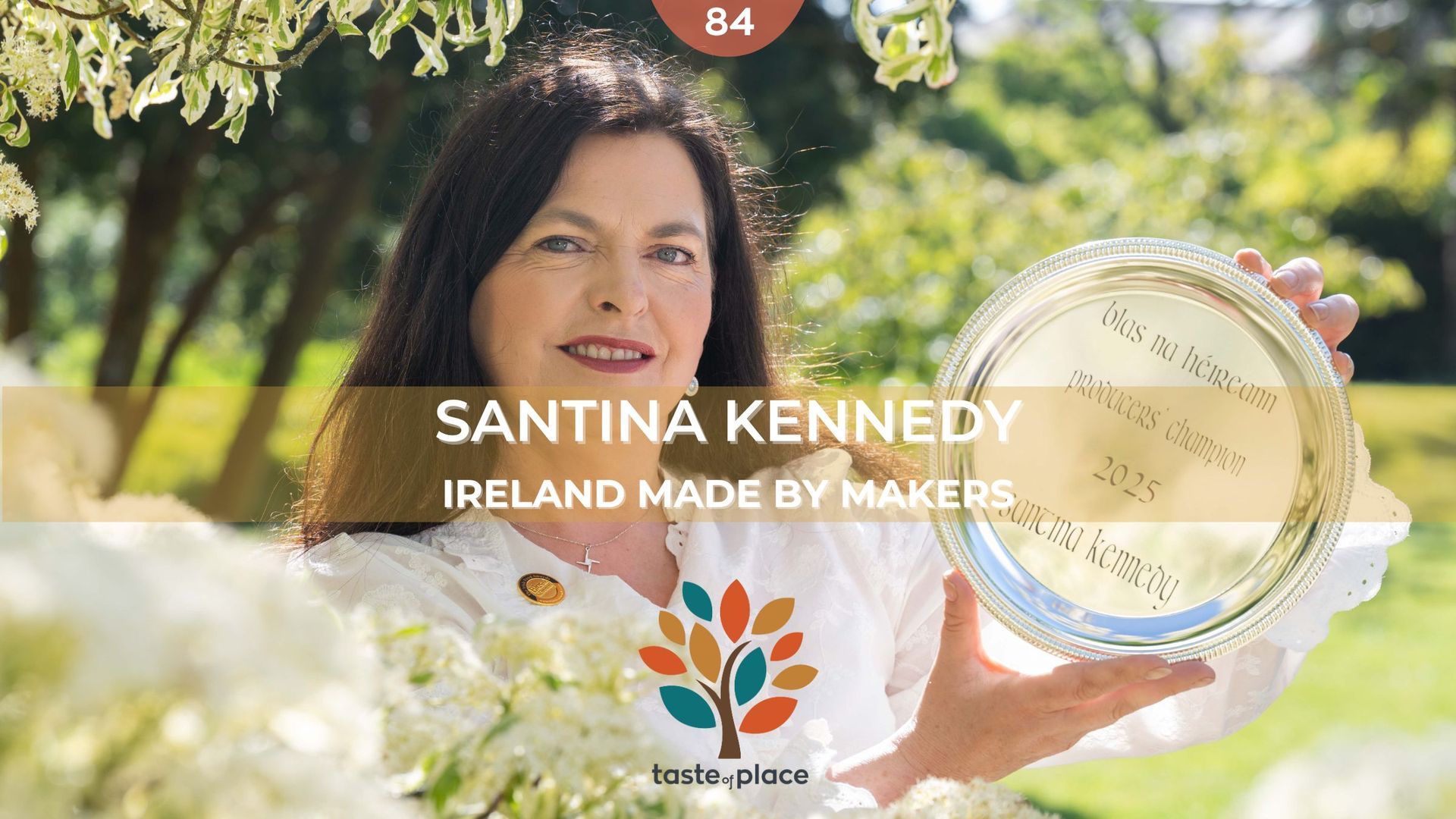
In this episode, Erik Wolf speaks with Santina Kennedy, an award-winning Irish food consultant, producer champion, and storyteller whose work bridges food history, culture, and contemporary experience design. Santina shares her unconventional journey from banking to café ownership, and ultimately to a vocation that did not exist when she was young: interpreting Irish food culture through storytelling, events, and strategic collaborations. She reflects candidly on delayed purpose, entrepreneurship without capital, and why genuine hospitality matters more than polish or scale. The conversation explores Ireland’s overlooked food narratives - from tenant farmers and kitchen workers to everyday staples like potatoes, butter, and bread - and how these stories can be brought to life through immersive experiences in galleries, estates, and public institutions. Santina also dives deeply into Irish whiskey, explaining how history, resilience, terroir, and innovation are expressed in mash bills, grains, and pairing traditions. A standout theme is Santina’s advocacy for St. Brigid as Ireland’s original food and hospitality patron, and her work elevating Brigid’s legacy through food, drink, poetry, and craft. The episode concludes with a thoughtful discussion on regional food networks, particularly County Wicklow, and why Ireland must first teach its own people to value their food culture before expecting visitors to understand it. This is a rich, reflective conversation about identity, resilience, and the power of food to tell the true story of a place. You can learn more about Santina here . The Taste of Place podcast is sponsored by the World Food Travel Association’s Taste of Place movement. Taste of Place is a global initiative that celebrates culinary culture, food heritage, and the makers behind them. Through the movement, travelers and consumers are encouraged to connect more deeply with destinations and products through their unique flavors and traditions. Learn more at JoinTasteofPlace.org . 🎙️ Available now on Spotify, iTunes & your favorite podcast platforms (Search for "Taste of Place") 📺 Prefer video? Watch it now on our YouTube channel . Or listen here now:
5 January 2026
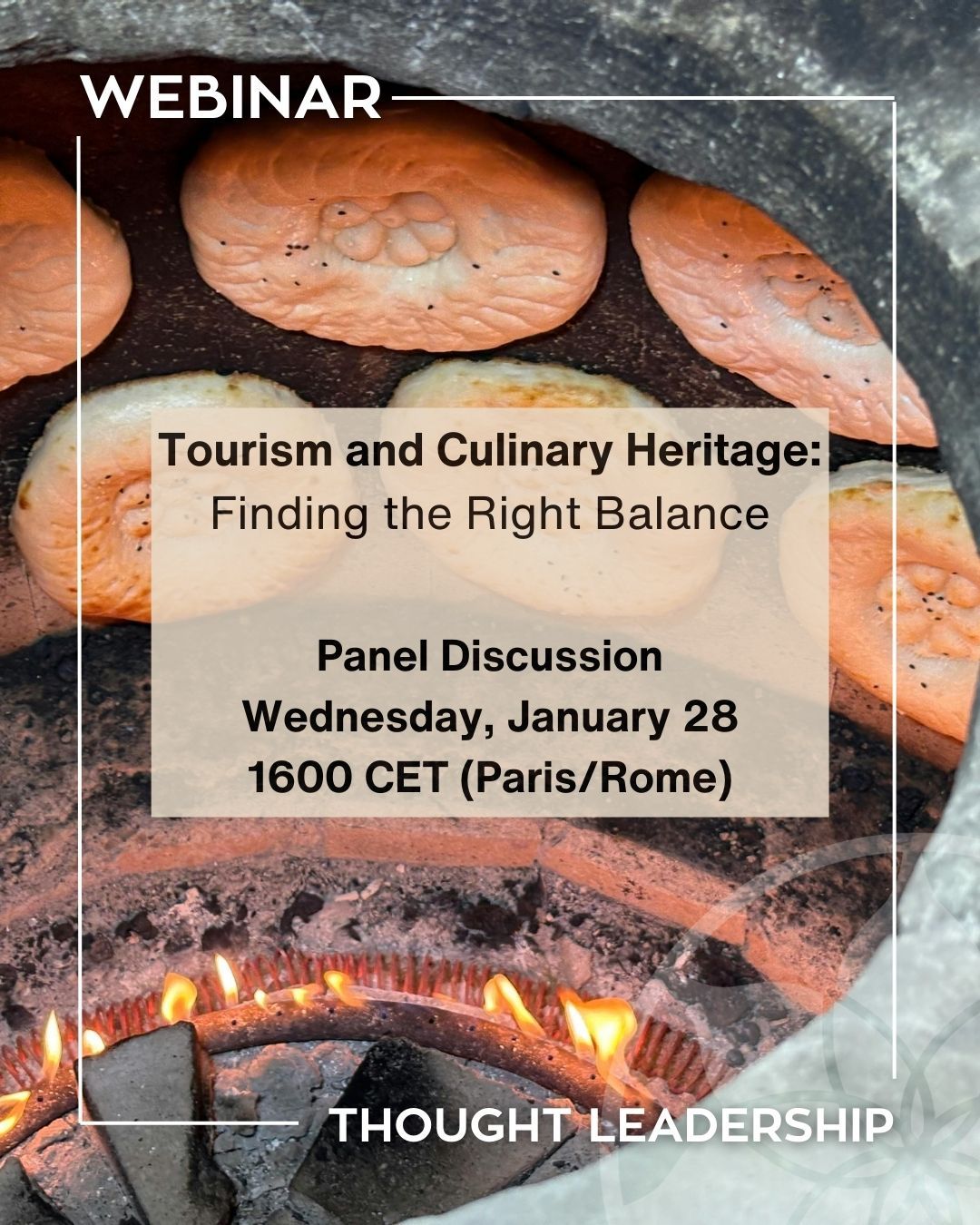
REGISTER NOW As interest in local food cultures continues to grow, destinations face increasingly complex choices. Tourism can support culinary heritage by strengthening local economies and raising awareness of food traditions. At the same time, poorly managed promotion can simplify, commodify, or distort cultural practices. This webinar brings together perspectives from across the system to examine how tourism and culinary heritage can coexist more responsibly. Panelists: - Janice Ruddock, Executive Director, Ontario Craft Brewers Association - Sean O’Rourke, President, Eat & Walkabout Tours - Niclas Fjellström, Executive Director, Culinary Heritage Network - Erik Wolf, Executive Director, World Food Travel Association The discussion will be moderated by Marc Checkley, a Lausanne-based storyteller, journalist, and experienced event host with a background in food, wine, travel, and cultural programming. Topics include: Recognizing culinary heritage as living culture rather than a static product Understanding how tourism and markets influence tradition over time Identifying where destinations most often struggle to find balance Applying practical principles for responsible promotion and stewardship This session is relevant for destination marketers, tourism offices, policymakers, producer associations, educators, and anyone working at the intersection of food, culture, and place. There is no cost to attend. REGISTER NOW
by Erik Wolf 1 January 2026
In 2025, the World Food Travel Association focused on strengthening culinary culture as living heritage, supporting the people and practices that sustain it, and building informed global collaboration rooted in values rather than prestige. Advanced the Taste of Place Movement and Alliance We clarified and communicated the purpose of the Taste of Place Movement — a global effort dedicated to safeguarding culinary heritage and empowering the keepers of food culture in alignment with the Declaration for the Preservation of Culinary Heritage . The Taste of Place Alliance framework was defined to support destinations, organizations, and practitioners who share these values. We also invite those who support this mission to join the Movement through philanthropic contributions. Do you represent a destination? Please contact us to learn how your destination can participate. Delivered Strategic Advisory and Destination Engagement Work We conducted destination-level analysis and advisory engagement in diverse regions, including the Bothnian Bay area of Sweden and Finland and with Saudi Arabia’s Culinary Arts Commission , to help partners explore how food culture, regional identity, and cooperation can contribute to responsible cultural and economic resilience. Updated Professional Training Programs All certification and training programs were updated with current research, terminology, and real-world cases. Regular refresh cycles ensure that practitioners receive instruction that reflects the most accurate and relevant information available. Built Relationships Through Targeted Engagement We engaged directly with destinations, stakeholders, and partners through site visits and industry events, including exploratory meetings in Umbria, Italy and participation in World Travel Market , to listen, assess alignment, and foster partnerships grounded in cultural integrity. Expanded and Recognized Leadership Within Our Global Network In 2025 we welcomed new Ambassadors from diverse regions, including Chef Dela Acolatse ( Ghana ) and Gerald Kock ( Aruba ), and named Mabel Esther Vega Montaño ( Colombia ) as our first Taste of Place Guardian, recognizing her lifelong commitment to ancestral knowledge and rural food culture. These appointments reinforce our values as articulated in the Declaration for the Preservation of Culinary Heritage. Interested in becoming an Ambassador or Guardian in your area? If you share our values and commitment, please get in touch . Honored Outstanding Contributions to the Field We awarded the 2025 Lifetime Achievement Award to Francesc Fusté-Forné (Girona, Spain) in recognition of his distinguished career advancing food tourism research, education, and understanding of culinary culture. We also invited the community to nominate other individuals whose work has made enduring contributions to our field. Provided Global Advocacy Through Editorial and Media Platforms We continued to interpret and elevate global developments in newsletters and digital content, and through the Taste of Place Podcast , which released 11 episodes in 2025 featuring inspiring leaders. Notable episodes included “Peace Through Food” with Paula Mohammed, “The Sweet Taste of Ethics” featuring Veronica Peralta on ethical chocolate, and “From Tunisia With Flavor” with Jamie Furniss on repositioning Tunisian cuisine for travelers. By sharing these conversations, we reinforced food as cultural heritage and connected listeners with makers and culture bearers.
More posts